Guides to help you decide before importing a robot.
Processes, taxes, comparisons and use cases for importing robots to Chile and Mexico, written by Team Robusto.
Guides
 Guide
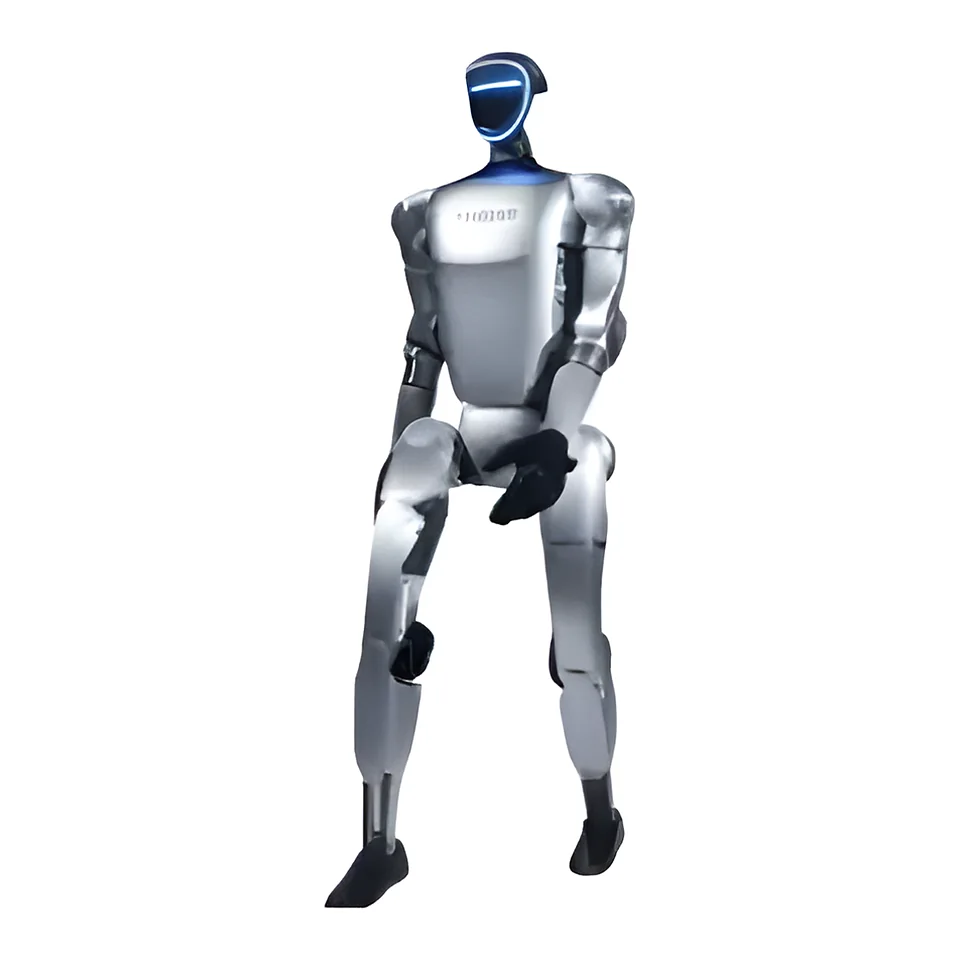
How to buy a robot in 2026: step-by-step guide for Chile, Mexico, and Latin America
Where to buy humanoid, quadruped, and service robots, how much they cost, how they are brought into the country, and what to check before paying.
Read guide →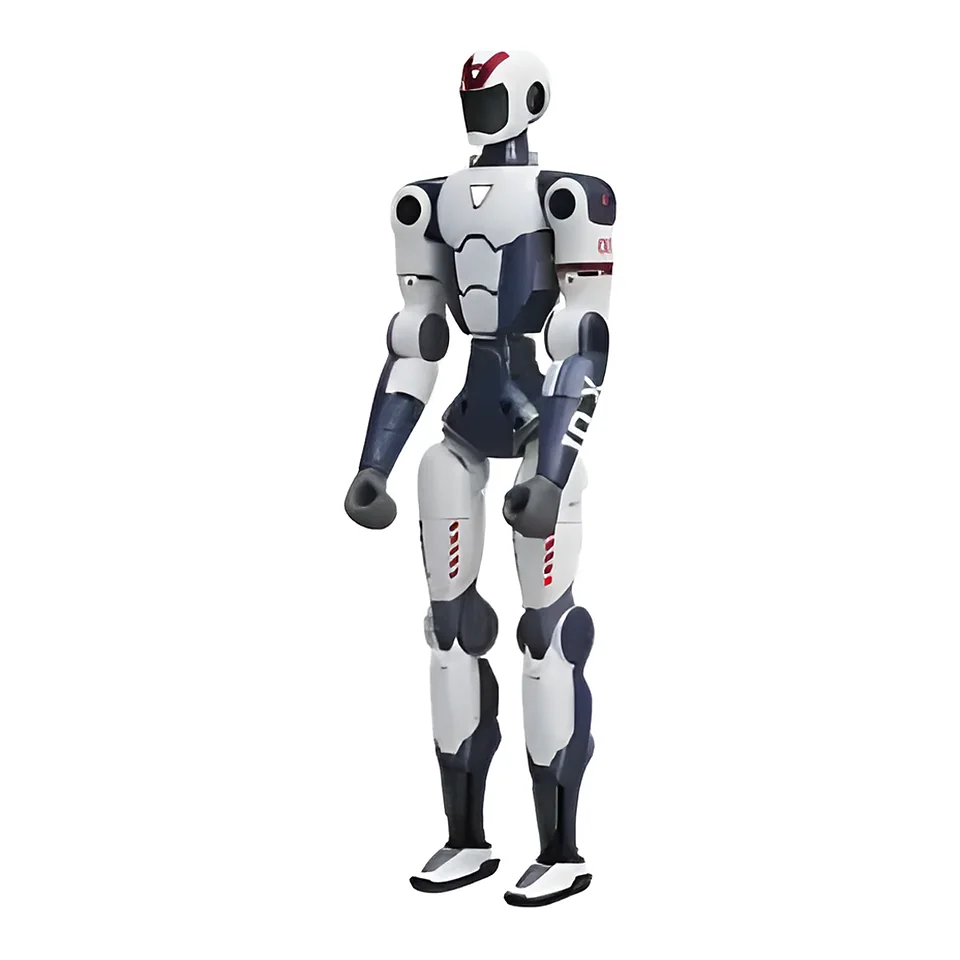 Guide
How much a humanoid robot costs in 2026: prices by type and delivered cost in Chile and Mexico
Price ranges for the humanoids you can buy today, what the factory price includes and how much it adds to bring them to Chile or Mexico.
Read guide →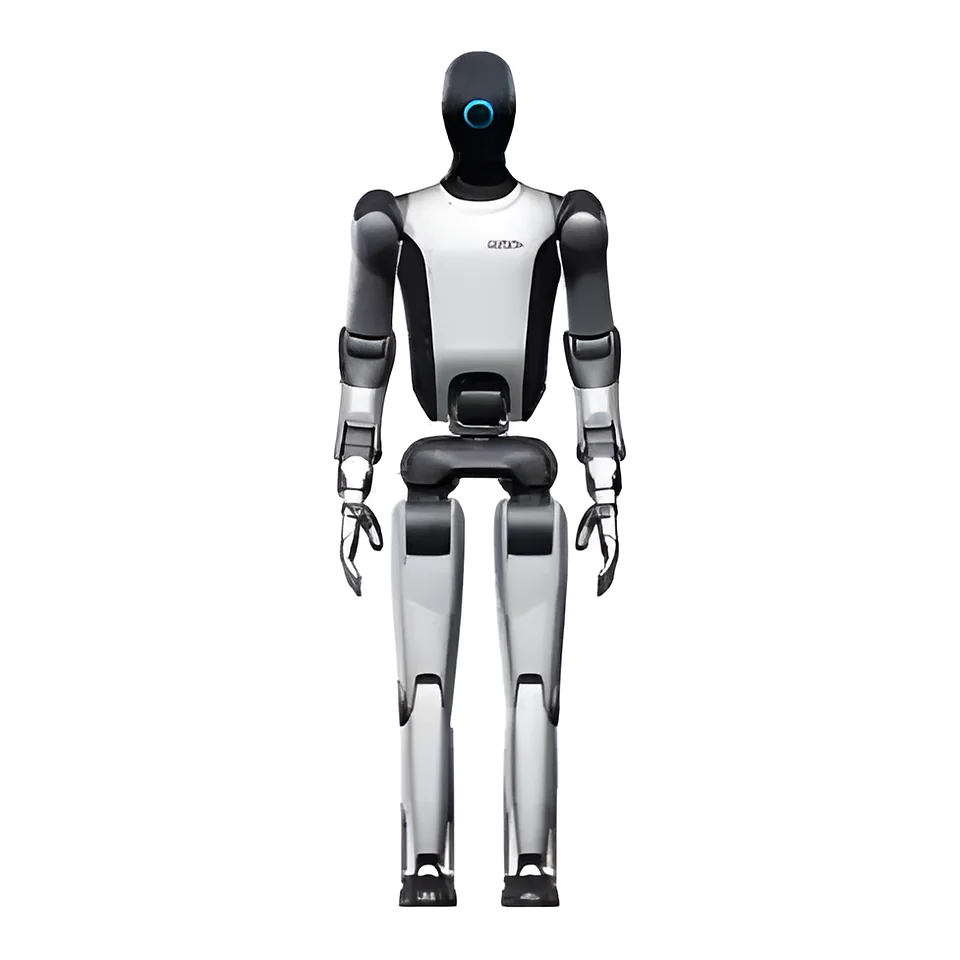 Guide
Humanoid robots in 2026: which ones can be imported today to Chile and Mexico
Which humanoids are already sold to companies and institutions, how they differ and what determines their final cost, without the marketing.
Read guide →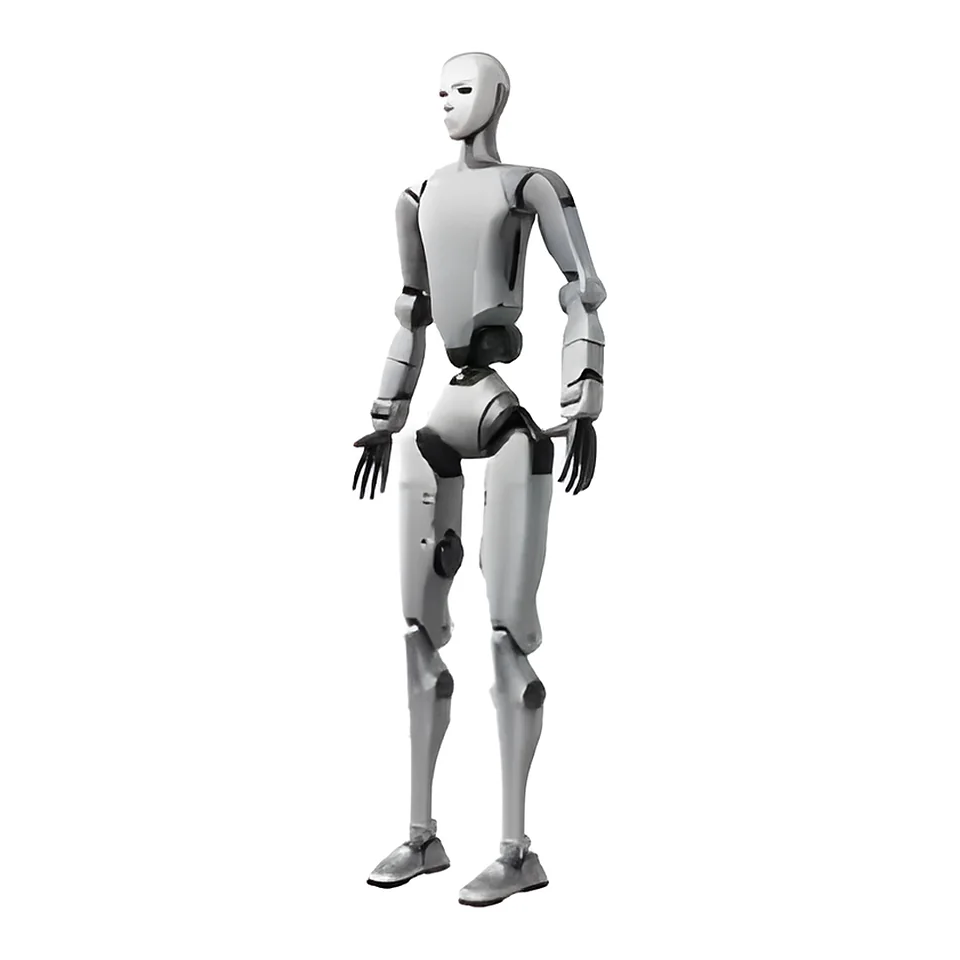 Guide
Unitree in Chile and Mexico: models, uses and how to import them
Unitree is the most searched robot brand in the region. Its full line, what each model is for and how to bring it to your company.
Read guide →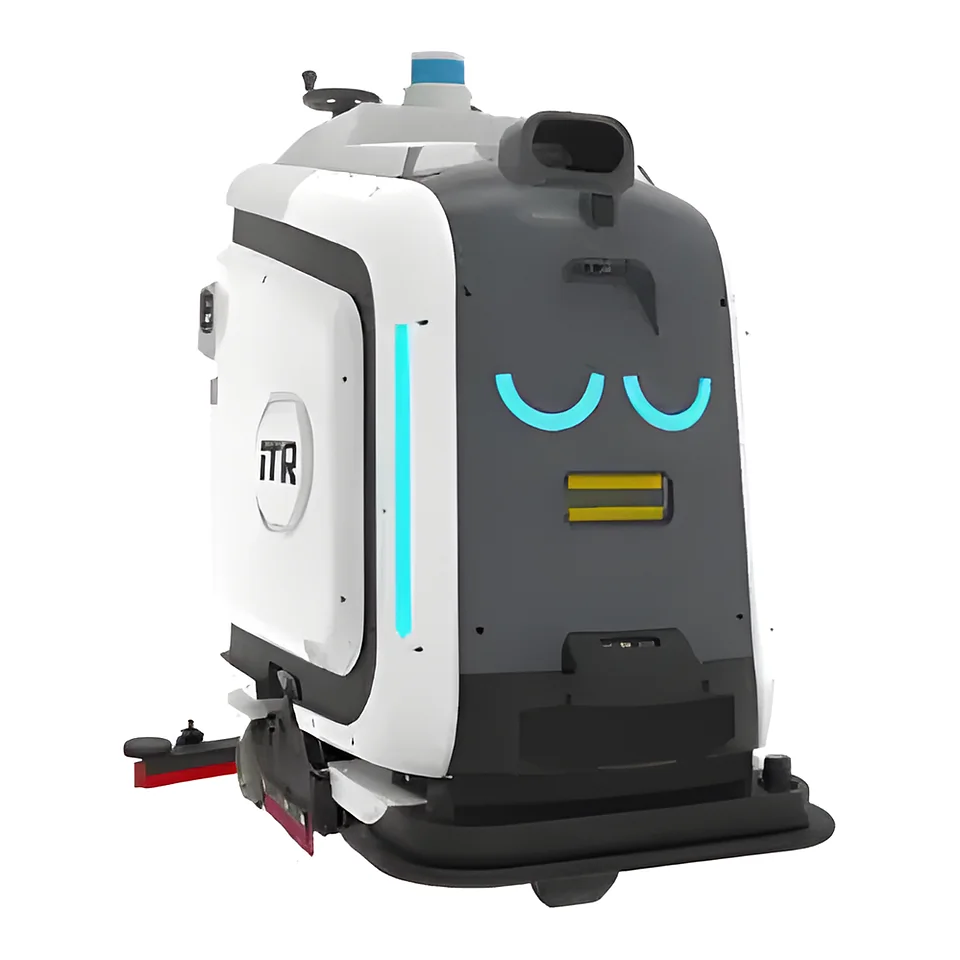 Guide
Autonomous scrubbers for warehouses, airports and plants: when they outperform the traditional machine
On large surfaces, an autonomous scrubber works at night, on its own, with a record of every pass. The criteria for deciding whether it makes sense in your operation.
Read guide →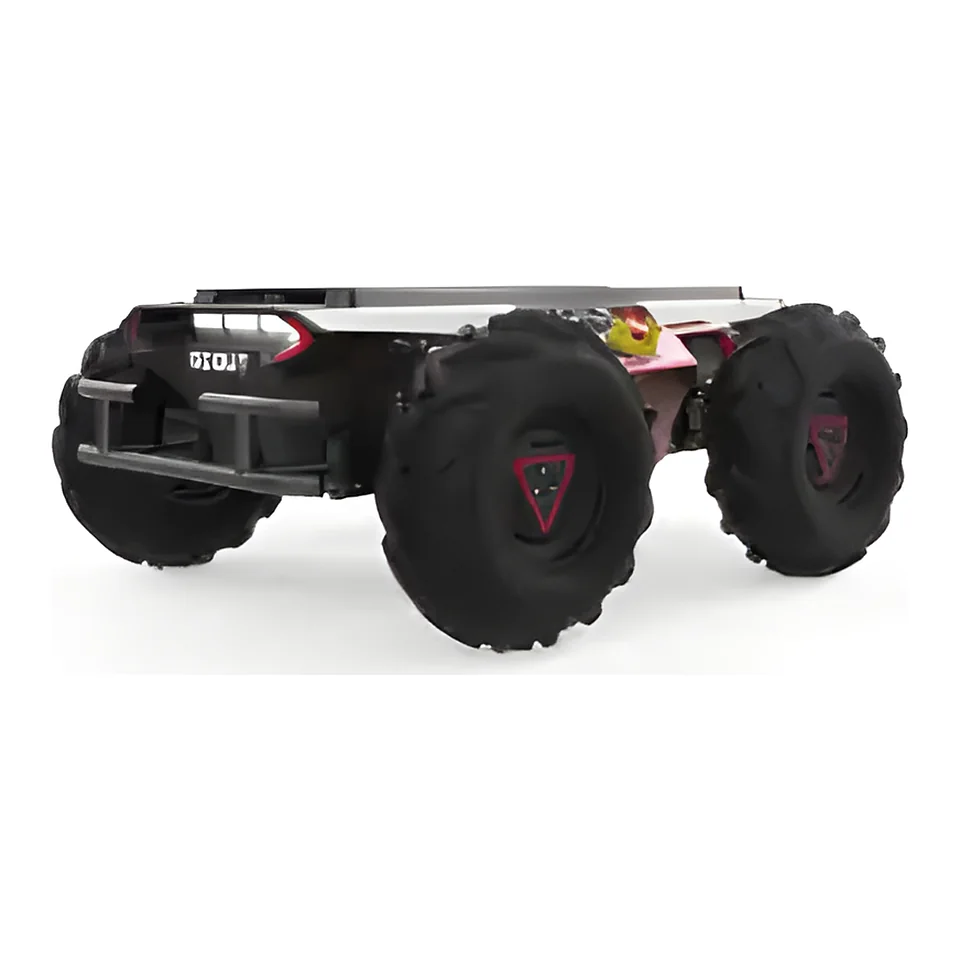 Guide
How to build a university robotics lab: platforms for teaching and research
Which robots to buy first, how to combine humanoids, quadrupeds and mobile vehicles, and what to ask the manufacturer so the lab delivers value for years.
Read guide →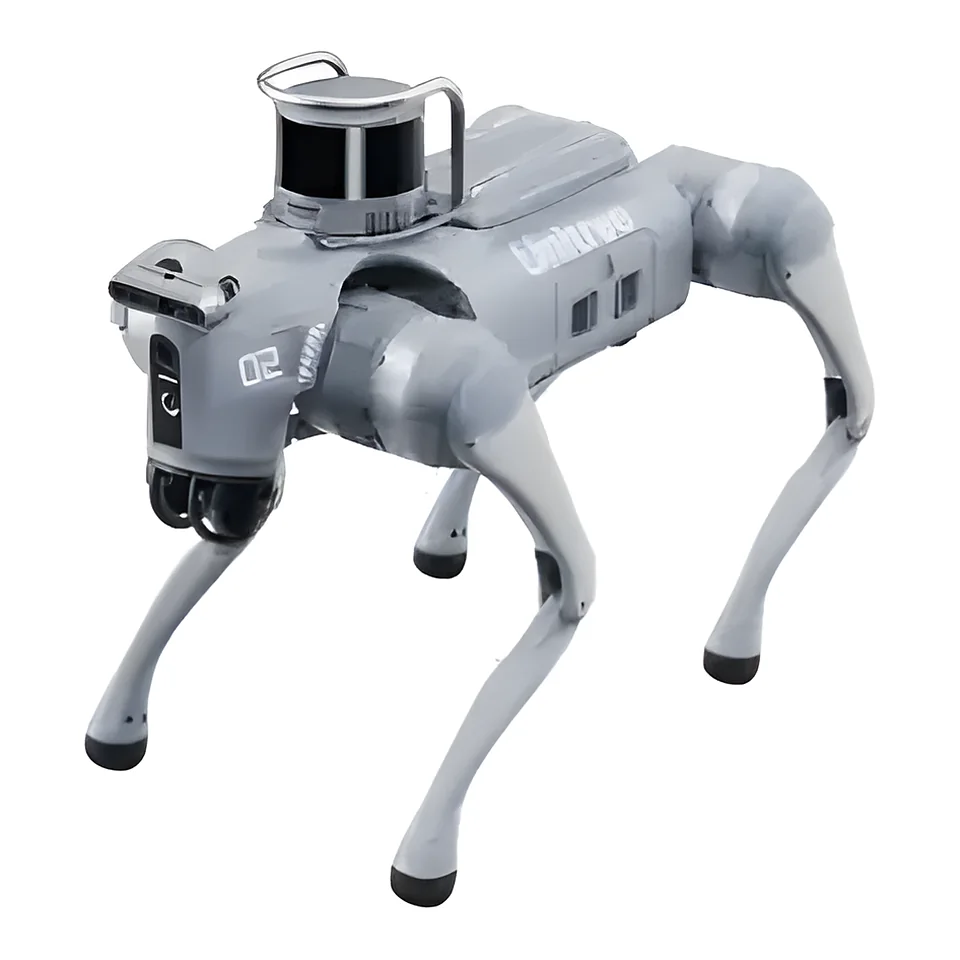 Guide
How to import a robot to Chile in 2026: steps, costs, and lead times
Which components make up the final price, which documents are required and how long it takes to bring a robot from the manufacturer to your company.
Read guide →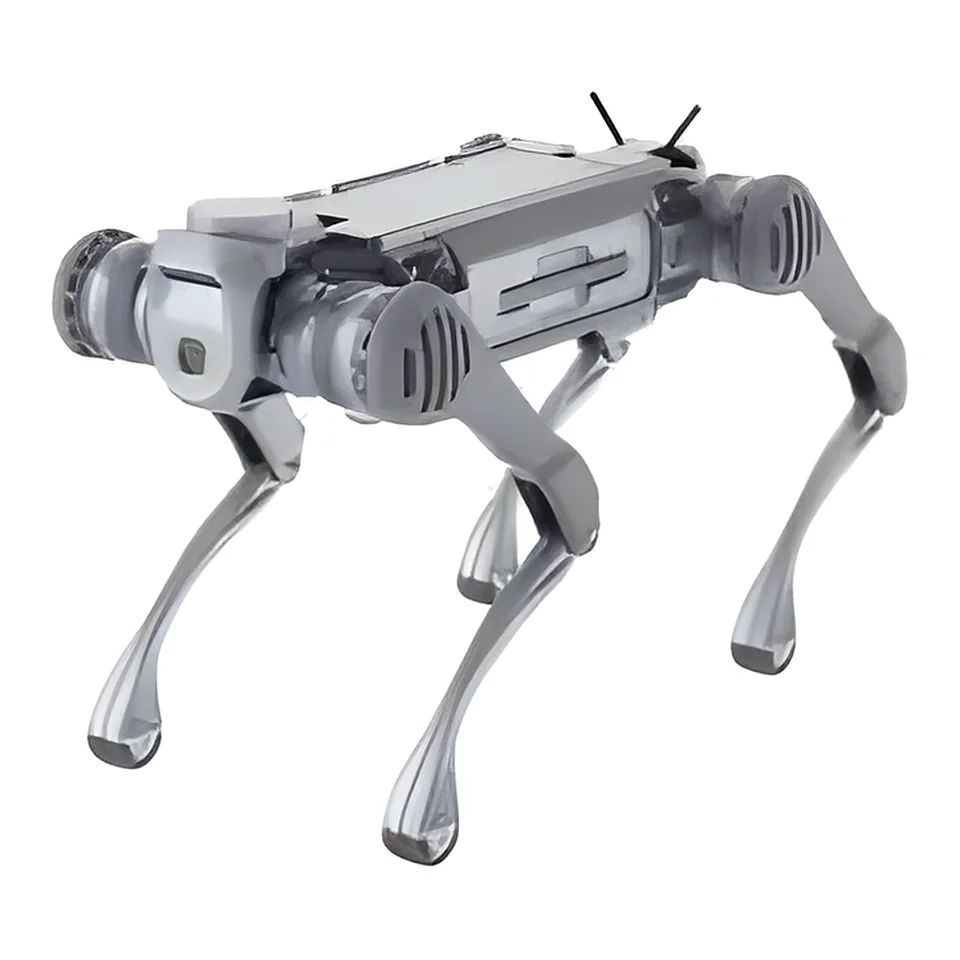 Guide
How to import a robot to Mexico in 2026: taxes, registry, and lead times
Since 2026, Mexico has raised tariffs on countries without a trade agreement, including China. What that means for anyone looking to bring in a robot.
Read guide →Comparisons
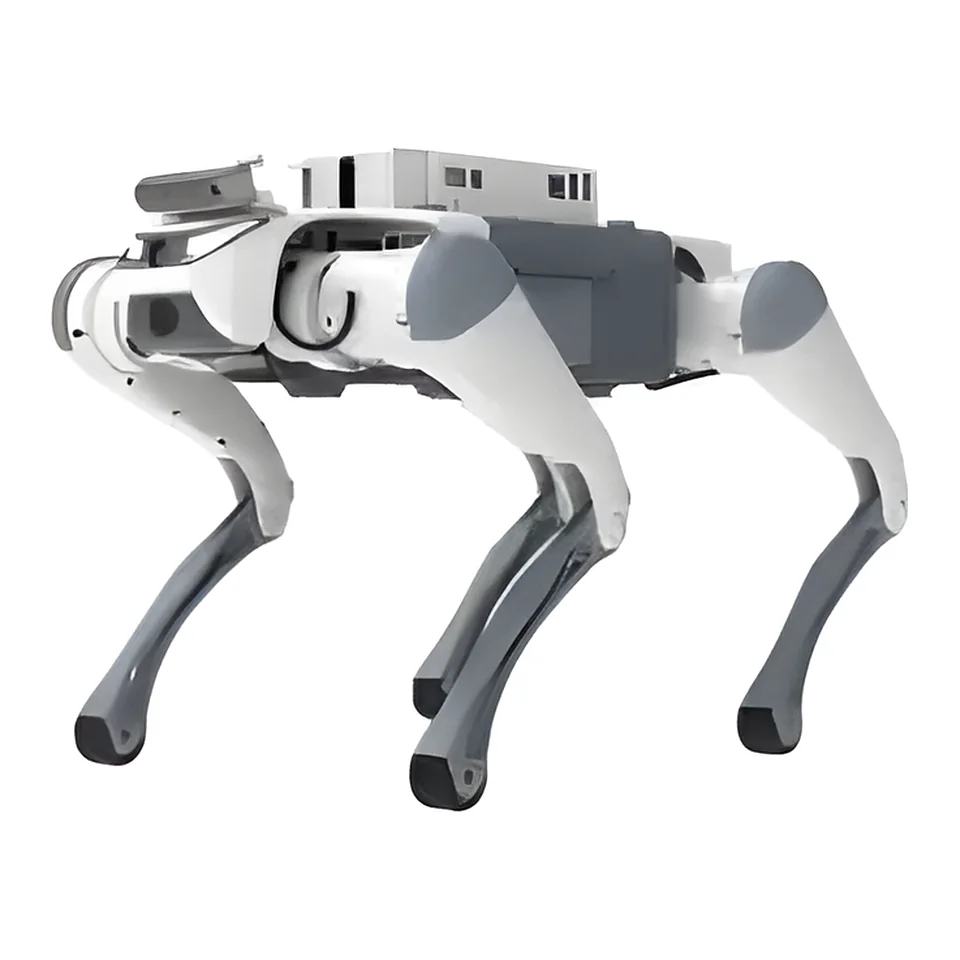 Comparison
Professional robot dog or toy: how to choose a quadruped that actually works
Under the search "robot dog", toys and industrial equipment coexist. The criteria that set them apart and which model fits each use.
Read comparison →ComparisonUnitree G1, Booster T1 and EngineAI PM01: which humanoid to choose for teaching and research
Three mid-size humanoids that dominate university labs today. How they are alike, how they differ and who each one is for.
Read comparison →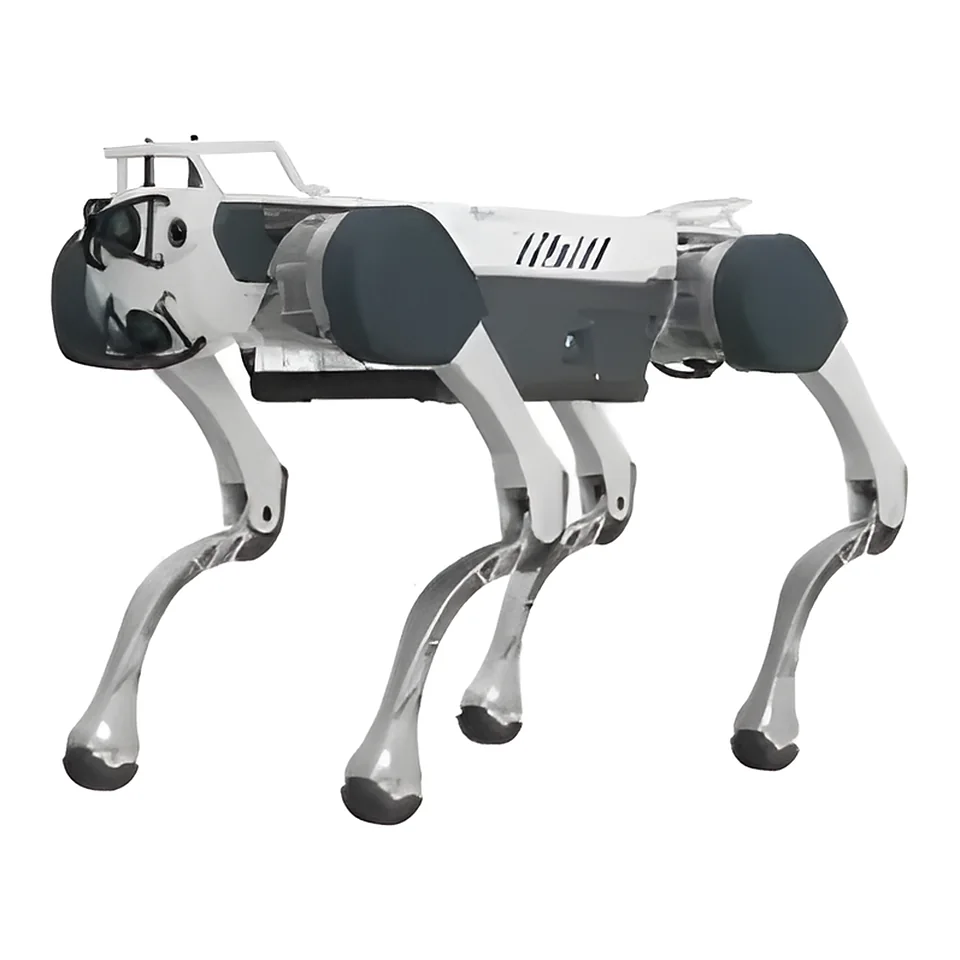 Comparison
Quadrupeds for industrial inspection: Unitree B2, Deep Robotics X30, and LYNX M20
Four-legged robots already inspect plants, tunnels and mine sites. How to choose among the three most widely used models in industry.
Read comparison →Use cases
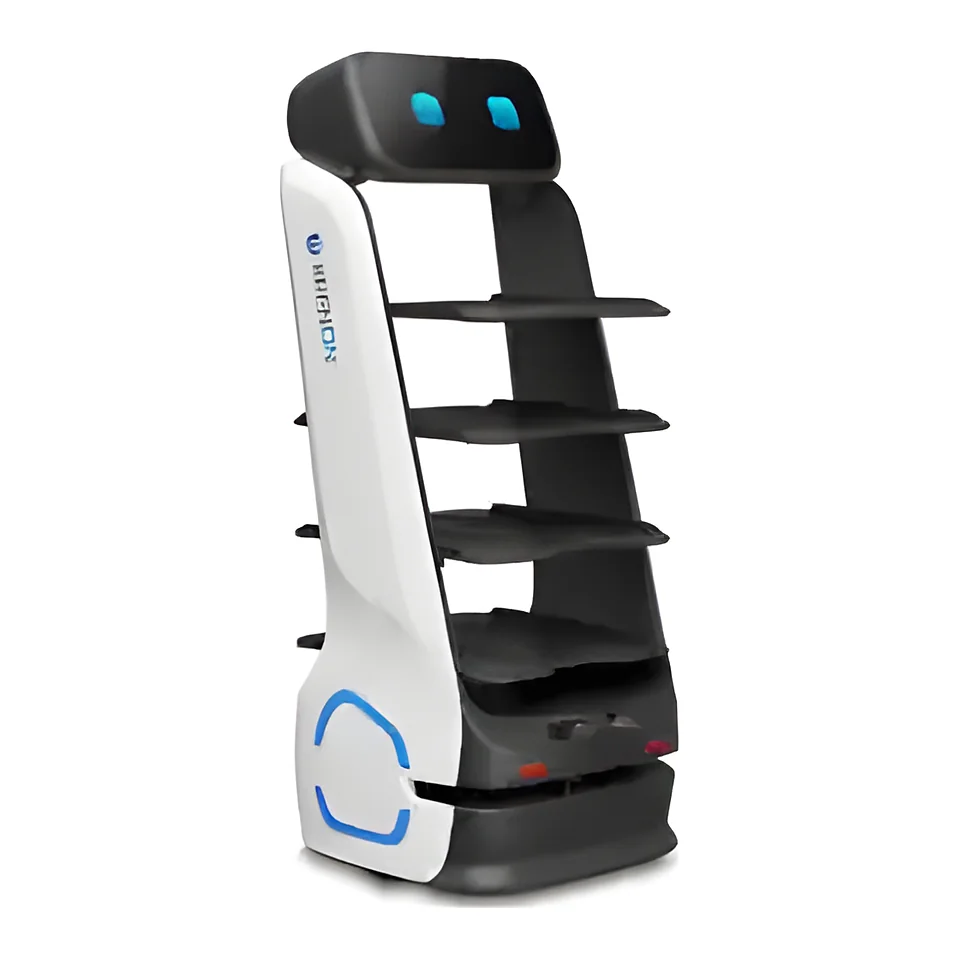 Use case
Serving robots: what they solve in a restaurant and what they don't
A serving robot handles the routes between kitchen and tables. When it makes sense, how many tables it covers and what the dining room needs for it to work.
Read use case →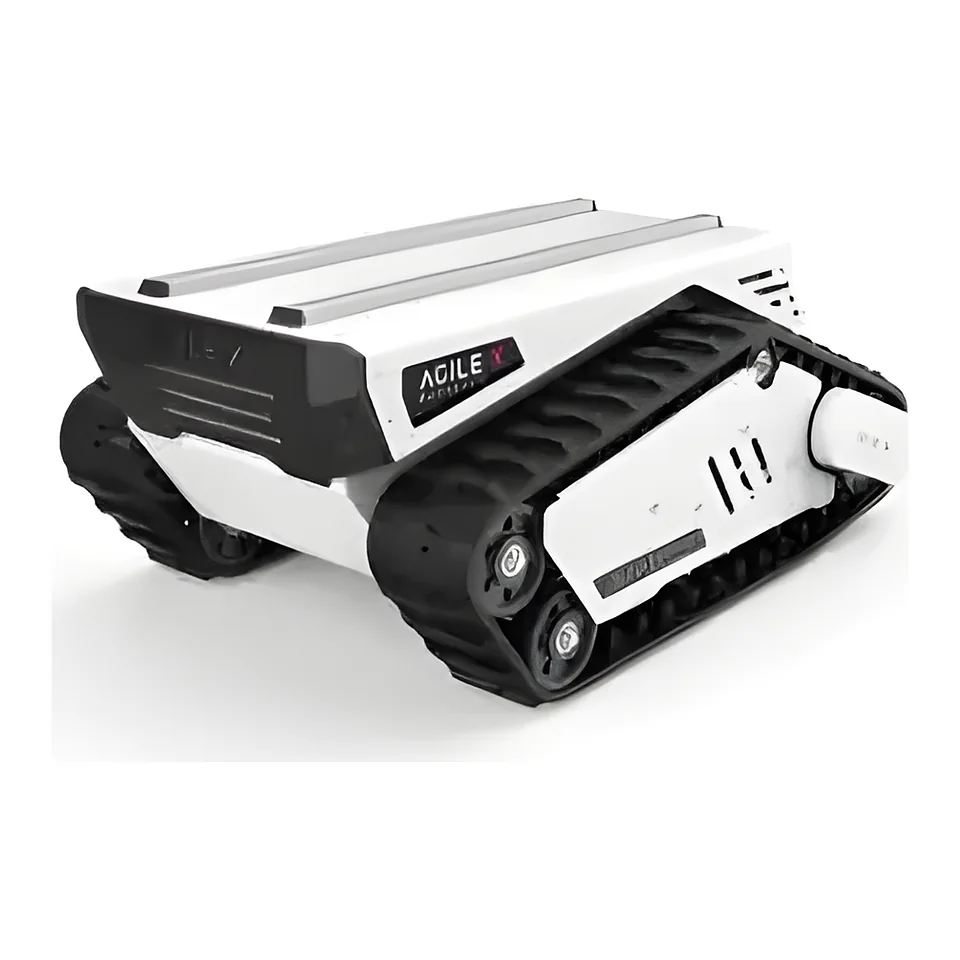 Use case
Robots for agriculture, mining and difficult terrain: autonomous vehicles and quadrupeds in the field
Dust, slopes, mud and long distances. Which robots withstand field work and how they are used today in agriculture, mine sites and outdoor inspection.
Read use case → Use case
Robots at events and brand activations: five uses that create real impact
A robot draws attention, but real impact comes when it serves a function within the experience. Five proven formats.
Read use case →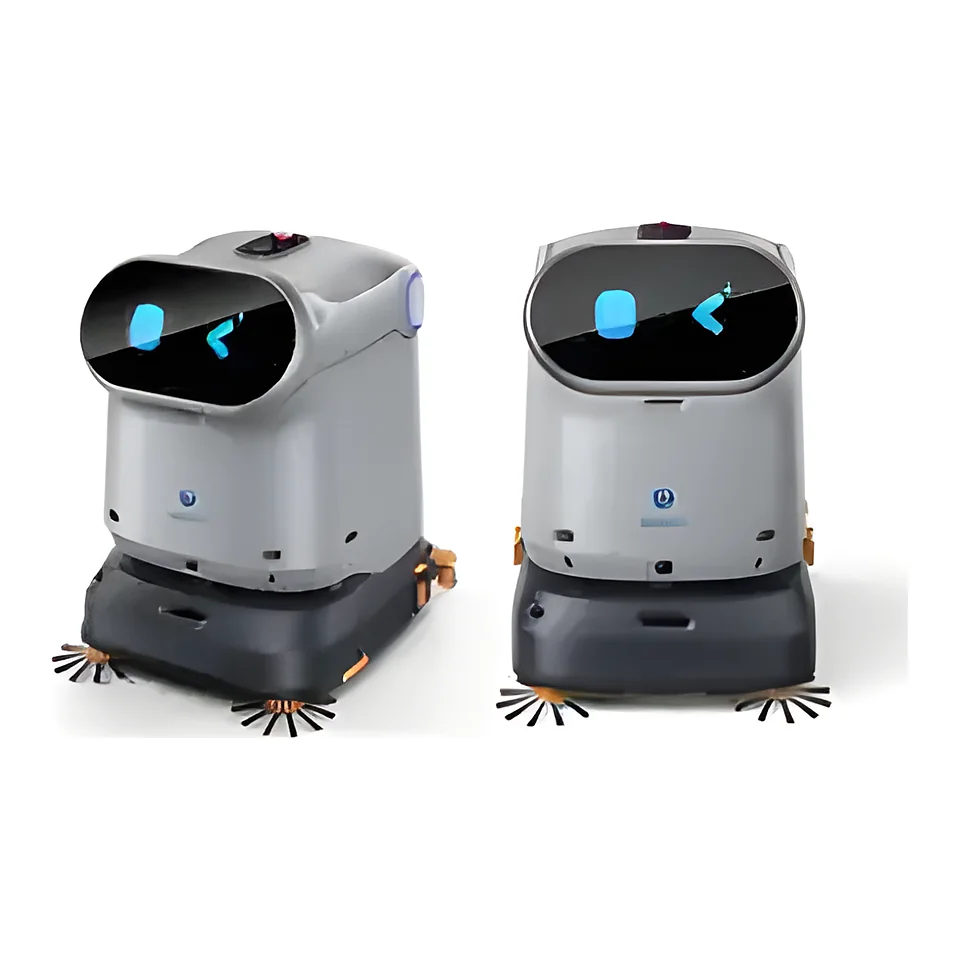 Use case
Cleaning and service robots in retail and hospitality: where they perform and where they don't
Malls, hotels, restaurants and casinos are the first to adopt service robots. What conditions each operation needs for the investment to pay off.
Read use case →Frequently asked questions
How do you buy a robot?
In five steps: define the task, choose the model and version, request a price delivered to your country, pay the deposit so the manufacturer builds it, and import it with customs handling and commissioning. It takes between 5 and 12 weeks.
How much does a humanoid robot cost?
In 2026, an entry-level humanoid starts at around US$6,000 at the factory and a basic Unitree G1 at US$13,500; professional versions are quoted according to configuration. Freight, insurance, taxes, and customs are added on top. Tesla Optimus is not yet on sale.
How does factory-direct acquisition work?
We manage each robot according to your need: we advise you on the right configuration for your operation and manage its factory-direct acquisition, in your company's name, at a fixed price that covers everything up to delivery.
What does the fixed price include?
Equipment, freight, insurance, import taxes, customs handling, delivery, and commissioning.
How long does it take to receive a robot?
Between 5 and 12 weeks. A Unitree G1 by air arrives in about 5 to 8 weeks: 20 to 30 days of manufacturing from payment, plus freight, customs, and delivery.
Do you work in Chile and Mexico?
Yes. We advise on and manage the acquisition in both countries, in your company's name.
Is the assessment free?
No. The first assessment meeting is free.
Is the warranty in my name?
Yes. The invoice and the manufacturer's warranty are issued in your company's name.