Humanoid robots in 2026: which ones can be imported today to Chile and Mexico
Which humanoids are already sold to companies and institutions, how they differ and what determines their final cost, without the marketing.
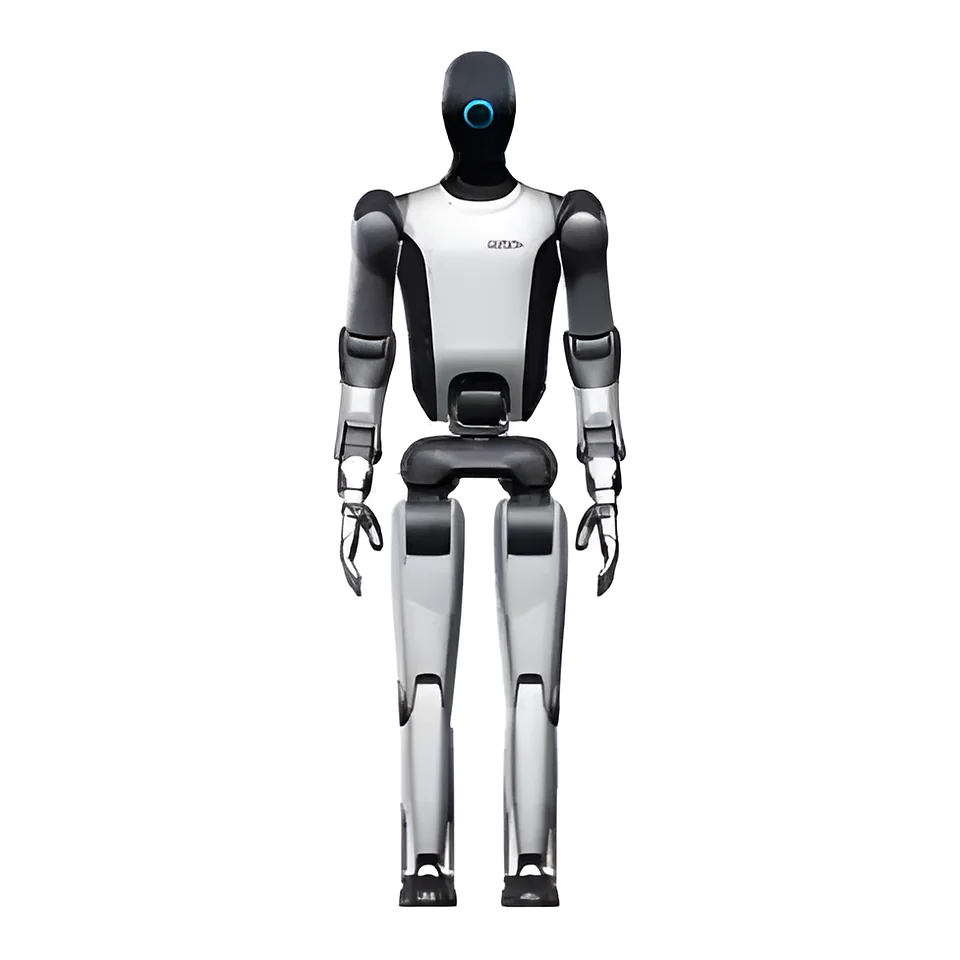
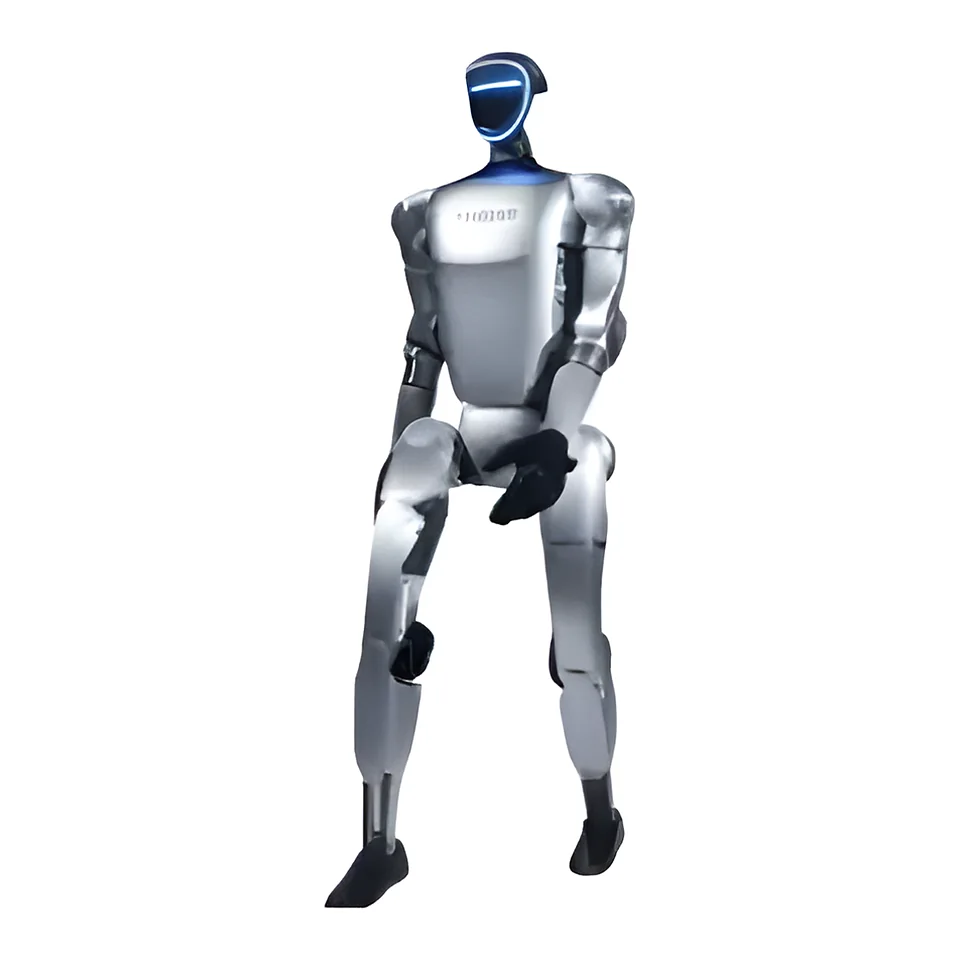
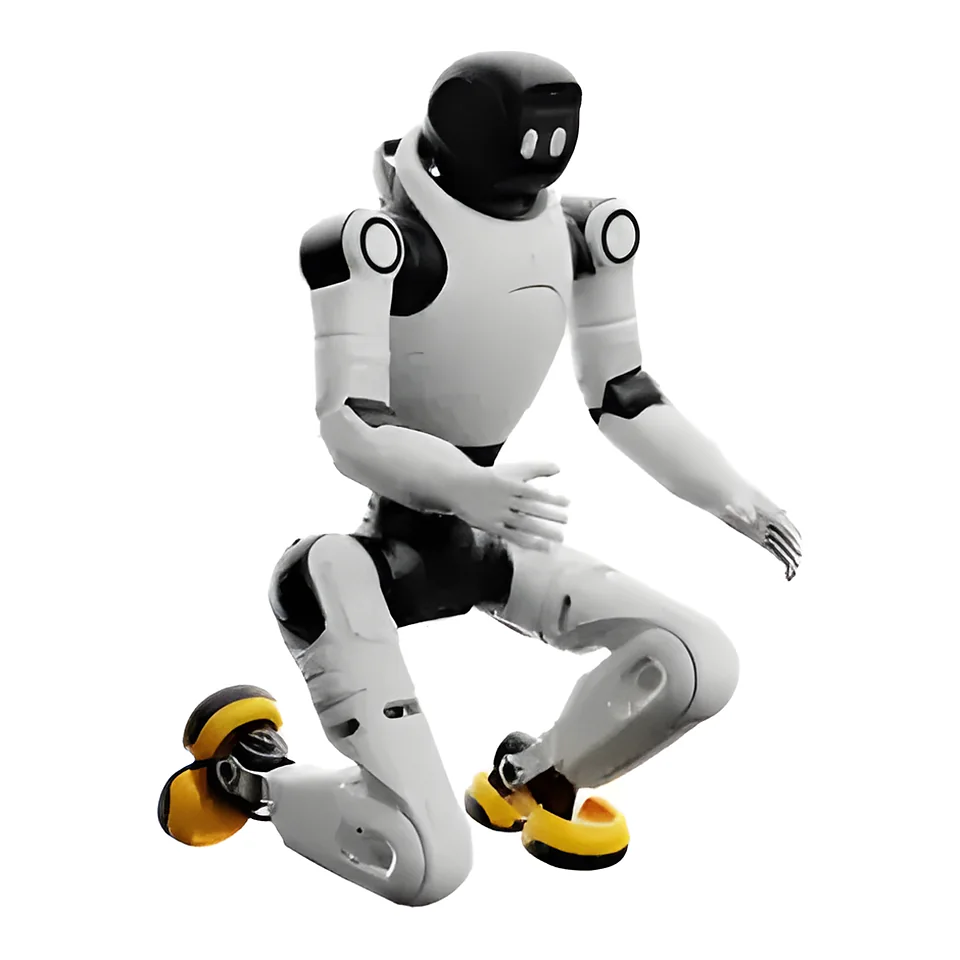
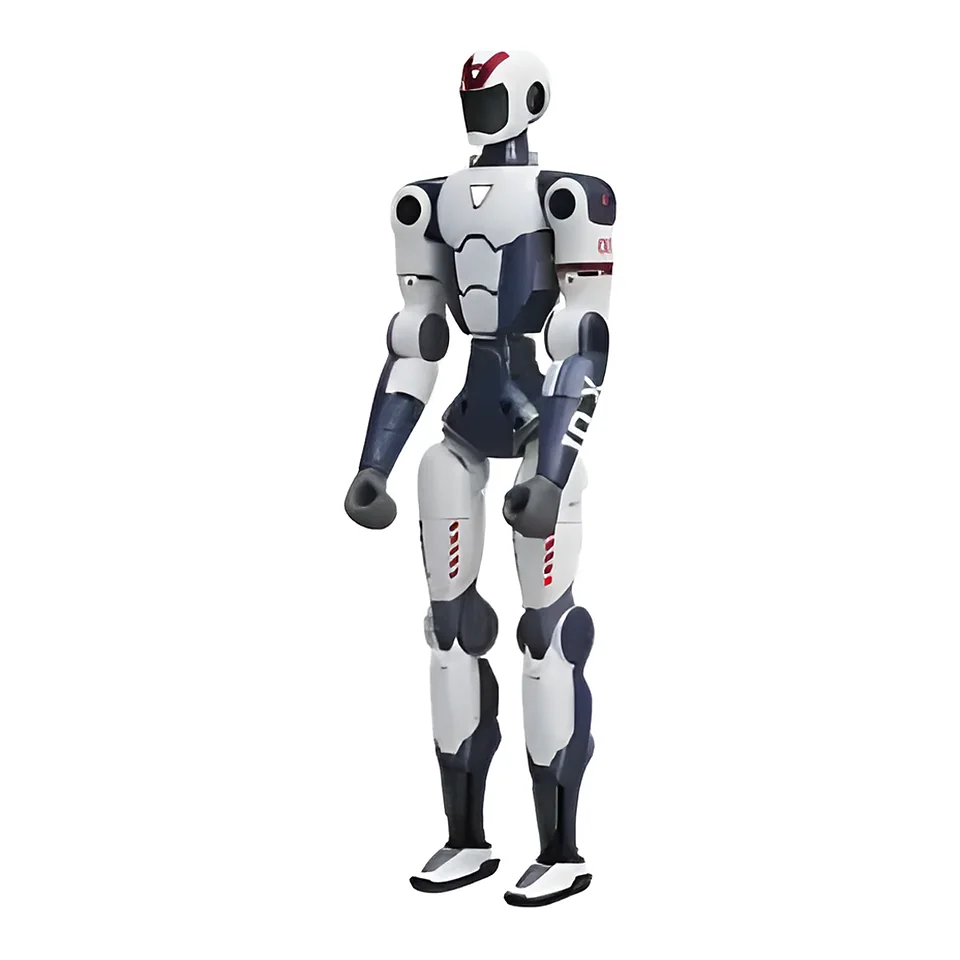
In 2026, humanoid robots can be bought for real use, mainly in teaching, research, public service, and display. Chinese manufacturers lead the commercial offering: Unitree, AgiBot, Booster, EngineAI, UBTECH, and Noetix sell equipment to companies and institutions in other countries. The best-known US humanoids, such as Tesla Optimus, are not yet sold to third parties. The final cost depends on the robot's size, the version (basic or development), the accessories, and the import.
1. What a humanoid does today (and what it still doesn't)
Commercial humanoids in 2026 walk with stability, keep their balance when pushed, run motion routines and can be programmed for defined tasks. They are excellent platforms for learning and research, and have a very high impact in public engagement and events.
What they still cannot do reliably is operate autonomously for a full shift on varied tasks. Video demonstrations often show rehearsed or teleoperated tasks. That is why they should be evaluated for what they solve today, not for what they promise.
2. The three groups of humanoids you can import
| Group | What it's for | Models at Robusto |
|---|---|---|
| Compact entry-level models | Classroom, STEM, first labs, and outreach | Unitree R1, Booster K1, Noetix Bumi |
| Mid size | Research, university teaching, competitions and events | Unitree G1, Booster T1, EngineAI PM01, AgiBot X2 |
| Full size | Display, public service, advanced R&D, and industrial pilots | Unitree H2, UBTECH Walker S2, AgiBot A2 |
Robusto reference classification. Each model's specifications are confirmed in the quote.
3. What about Tesla Optimus or Figure?
These are the humanoids most mentioned in the press, but as of this guide's date they are not sold to outside companies. If you're looking for a humanoid to use this year, the real supply is with the manufacturers already shipping units to other countries. More on Tesla Optimus and its alternatives.
4. What drives the cost of a humanoid
- Size and number of joints: more degrees of freedom mean more motors, more sensors and a higher price.
- Basic or development version: the development version opens low-level control and the programming kit. It is essential for research.
- Hands: multi-finger dexterous hands are a separate accessory on many models.
- Batteries and spare parts: a second battery doubles runtime at events and classes.
- Import: freight, insurance, taxes and customs handling, which vary between Chile and Mexico.
At Robusto, all of this is delivered as a single fixed price, delivered to your company.
5. How to choose in five questions
- Who will use it: students, researchers or the general public?
- Do you need to program it, or are ready-made routines enough?
- Where will it operate and how much space do you have?
- How many hours a day does it need to run?
- Who provides support if it falls or a motor fails?
Frequently asked questions
Can you buy a humanoid robot in Chile?
Yes. Several manufacturers sell humanoids to companies and institutions in other countries, and Robusto manages their import to Chile with a fixed price.
Is Tesla Optimus for sale?
As of this guide, Tesla does not sell Optimus to third parties. The alternatives available today come from manufacturers such as Unitree, AgiBot, Booster, EngineAI and UBTECH.
Which humanoid is best for a university?
For research and teaching, a mid-size humanoid in a development version, such as the Unitree G1 or the Booster T1.