How to import a robot to Chile in 2026: steps, costs, and lead times
Which components make up the final price, which documents are required and how long it takes to bring a robot from the manufacturer to your company.
Importing a robot to Chile requires the manufacturer's invoice, the transport document, the certificate of origin and a customs broker; the process takes between 5 and 12 weeks. The final price adds up equipment, freight, insurance, 19% VAT and customs management. For equipment made in China the tariff is 0% if the free trade agreement certificate of origin is presented; without that document, the general 6% tariff applies. Above US$1,000 FOB, the import must be processed by a customs broker.
1. Before buying: define the use case
The costliest mistake is not at customs; it is choosing the wrong robot. Before requesting a quote, it is worth answering three questions: what specific task the robot must perform, in what space it will operate (indoor, outdoor, dust, water, slopes), and who will operate it day to day.
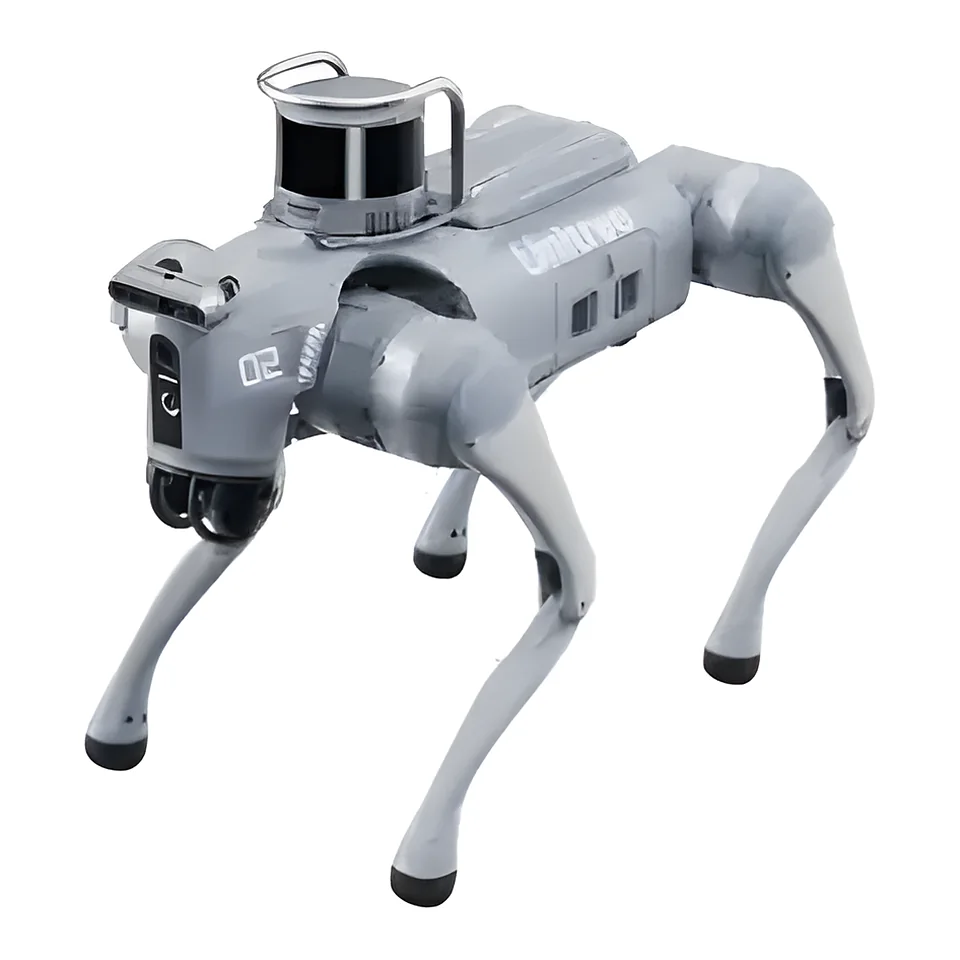
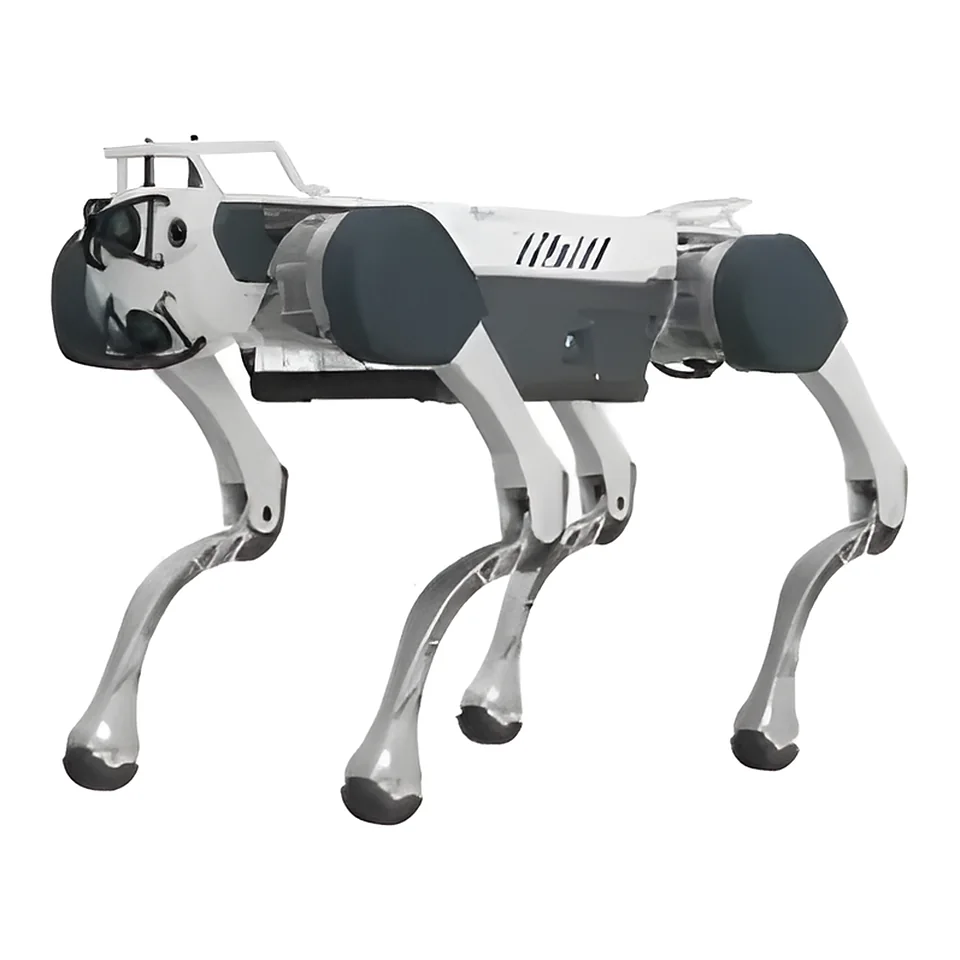
If you're still evaluating what to buy, start with the how to buy a robot guide. Those answers quickly narrow down the catalog: a quadruped for inspection at a mine site needs dust and water protection; a humanoid for teaching needs an open development kit; a reception robot needs good conversation in Spanish.
2. What makes up the final price
| Component | What's included | Reference in Chile |
|---|---|---|
| Equipment | Robot, batteries, charger and kit accessories | Depends on manufacturer and version |
| Freight and insurance | Shipping from the factory to Chile | Air or sea, depending on volume and batteries |
| Tariff | Import duty | 0% with certificate of origin (Chile–China FTA); 6% general |
| VAT | Tax on the CIF value plus tariff | 19%, recoverable as a tax credit for companies |
| Customs management | Customs, storage, and pickup agent | Required above US$1,000 FOB |
| Delivery and commissioning | Local transport and commissioning coordination | Depends on city and scope |
At Robusto, all of these components are delivered as a single fixed price, delivered to your company. That way you avoid surprises at destination.
3. Required documents
- Commercial invoice from the manufacturer in the name of the importing company.
- Transport document: air waybill or bill of lading.
- Certificate of origin under the applicable trade agreement, to access the preferential tariff.
- Packing list and, for lithium batteries, the safety data sheet and the dangerous goods declaration.
4. Typical lead times
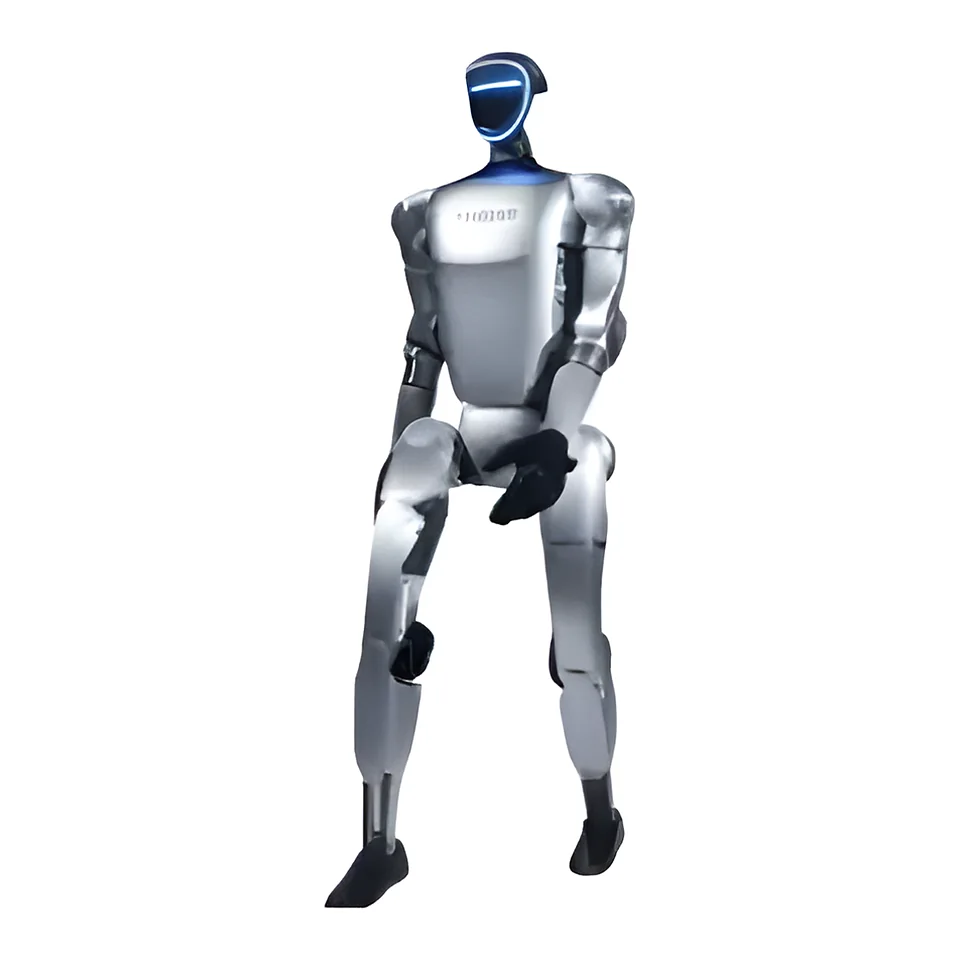
Manufacturing takes 20 to 30 days from payment for humanoids like the Unitree G1, depending on configuration, and 1 to 6 weeks for other manufacturers. Air freight adds 1 to 2 weeks and sea freight 5 to 7. Customs and local delivery take 3 to 10 business days. In total, a Unitree G1 shipped by air arrives at your company in about 5 to 8 weeks; with sea freight, up to 12.
5. The detail that causes the most delays: batteries
Most robots use high-capacity lithium-ion batteries, which ship as dangerous goods. This limits the available airlines, requires certified packaging and may mean shipping the batteries separately. It is best resolved in the quote, not at the airport.
6. Warranty and support
The manufacturer's warranty must be issued in your company's name. Always ask who resolves a failure in Chile, how long a spare part takes and whether remote support in Spanish is available.
Frequently asked questions
Do I need to be a company to import a robot?
It is not mandatory, but importing in a company's name lets you recover the VAT as a tax credit and puts the invoice and warranty in its name.
How long does it take to import a robot to Chile?
Between 5 and 12 weeks. A Unitree G1 by air arrives in about 5 to 8: 20 to 30 days of manufacturing, 1 to 2 weeks of freight, and 3 to 10 business days of customs and delivery.
What tariff does a robot made in China pay?
0% if the Chile–China FTA certificate of origin is presented. Without that document, the general 6% tariff applies. 19% VAT applies in both cases.