How to buy a robot in 2026: step-by-step guide for Chile, Mexico, and Latin America
Where to buy humanoid, quadruped, and service robots, how much they cost, how they are brought into the country, and what to check before paying.
Buying a robot takes five steps: define the task it will perform, choose the right model and version, request a quote with the price delivered to your country, pay the deposit so the manufacturer produces it, and import it with customs management, delivery and commissioning. Most professional robots are made in China and sold factory-direct with 100% prepayment and no door-to-door shipping, so import and local support are the part most worth resolving before buying. In Chile and Mexico the full process takes between 5 and 12 weeks: a Unitree G1 shipped by air arrives in about 5 to 8 weeks.
1. The five steps to buy a robot
- Define the task. What the robot will do, where it will operate (indoors, outdoors, dust, slopes) and who will run it. It is the decision that saves the most money.
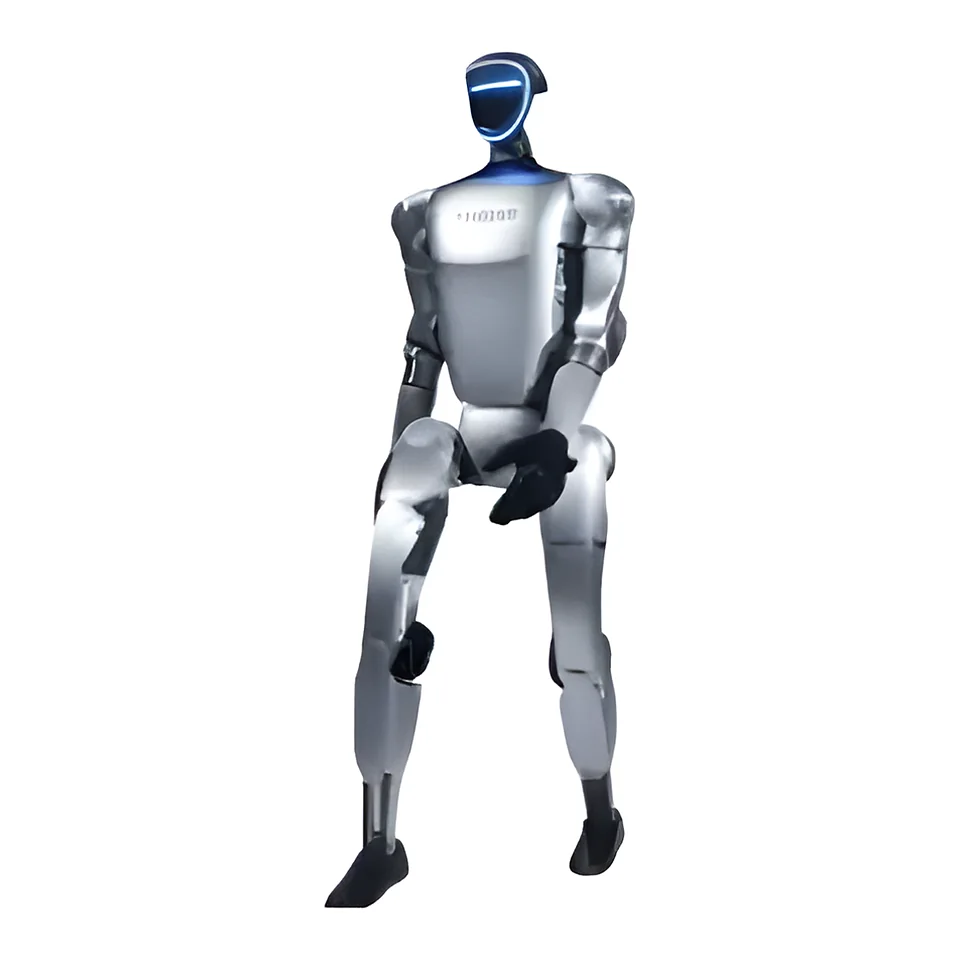
- Choose the model and version. The same robot comes in very different versions: the Unitree G1, for example, ranges from a basic version without custom development to research versions with dexterous hands. Buying the wrong version is the costliest mistake.
- Ask for a price delivered to your country. The factory price does not include freight, insurance, taxes or customs. Always compare the final cost, delivered to your company.
- Pay the deposit and wait for manufacturing. Manufacturers build each unit once the order is placed: for humanoids like the G1, production takes 20 to 30 days after payment.
- Import, receive and commission. Freight, customs, delivery and initial setup. With that, the equipment is up and running.
2. Where robots are bought
There are four ways to buy a professional robot in Latin America. Each one distributes risk and workload differently.
| Where | Pros | What you should know |
|---|---|---|
| Direct from the manufacturer | List price, no intermediaries | 100% prepaid; delivery at the factory or the destination airport; customs, delivery and local support are your responsibility |
| Local distributor | Local invoice and service in your language | Exists only for some brands and countries; check what technical support it actually offers |
| Marketplace | Speed for simple setups | Toys and replicas with similar names abound; no manufacturer warranty or support |
| On-demand import | Fixed price delivered to your company, with invoice and warranty in your name | Manufacturing plus import lead time; confirm what commissioning includes |
3. How much it costs
In 2026, an entry-level humanoid starts at around US$6,000 at the factory and a basic Unitree G1 at US$13,500. Versions for events, development, and reception are quoted according to configuration. Import costs are added on top. The breakdown by robot type is in how much a humanoid robot costs.
4. How to bring a robot into your country
| Country | Main taxes | Key to the process |
|---|---|---|
| Chile | VAT 19% (tax credit for companies); tariff 0% for Chinese equipment with a certificate of origin, 6% without it | Customs broker required above US$1,000 FOB |
| Mexico | IGI based on tariff classification, DTA and VAT of 16% (creditable) | SAT Importers Registry (Padrón de Importadores, SAT) or a trading company |
| Other Latin American countries | VAT and local tariffs based on the equipment's classification | Review classification, telecommunications permits and batteries before shipment |
The step-by-step process for each country is in the guides to importing a robot to Chile and to Mexico.
5. Five common mistakes
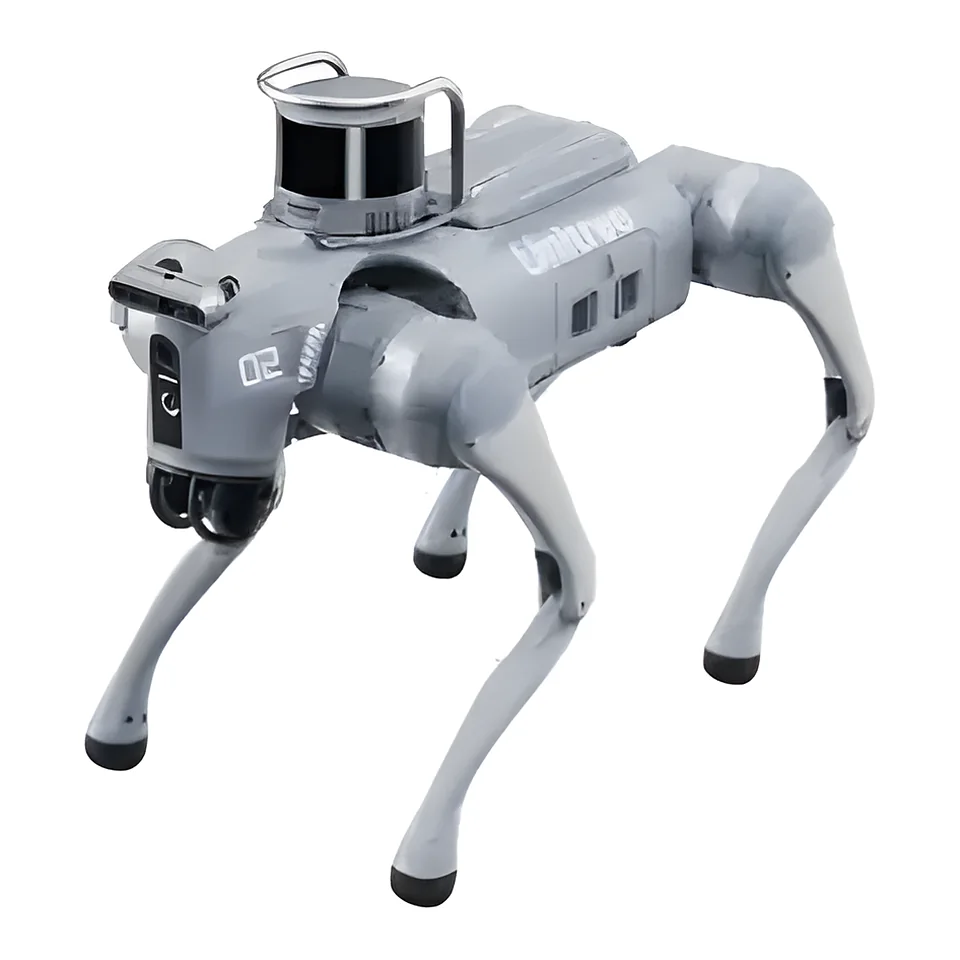
- Buying a toy believing it is professional equipment. Marketplaces list low-cost robot dogs and humanoids with names similar to the real models.
- Choosing a version that does not allow development. If the robot must converse, guide or integrate with your systems, you need a development-ready version.
- Forgetting the batteries. They ship as dangerous goods: airlines restrict them and they can delay the shipment.
- Compare factory prices with local prices. The real cost is the price delivered to your company, with taxes and customs.
- Not asking about support. The factory warranty usually covers spare parts and remote support. Define beforehand who handles a fault in your country.
6. Checklist before paying
- Exact model and version, with capabilities confirmed in writing.
- Final price delivered to your company and what it includes.
- Manufacturing, freight and customs lead time.
- Invoice and warranty in your company's name, including its duration.
- Who handles commissioning and training.
- Spare parts and additional batteries available.
Frequently asked questions
Can an individual buy a humanoid robot?
Yes. Manufacturers sell to individuals and companies. Buying in a company's name allows you to recover the VAT and puts the invoice and warranty in its name.
Where can I buy a robot in Chile?
You can buy it directly from the manufacturer and import it yourself, from a local distributor if the brand has one, or through on-demand import, which delivers a fixed price delivered to your company.
Where can I buy a robot in Mexico?
The options are the same as in Chile. To import in your company's name you need to be on the SAT Importers Registry (Padrón de Importadores, SAT) or buy through a trading company.
How long does it take to buy and import a robot?
A Unitree G1 shipped by air arrives in about 5 to 8 weeks: 20 to 30 days of manufacturing from payment, 1 to 2 weeks of freight and 3 to 10 business days of customs and delivery. With sea freight, up to 12 weeks.
Can you buy a humanoid robot on Mercado Libre?
Listings do appear, but many are toys or replicas. For professional equipment, verify the exact model, the invoice, and the manufacturer's warranty.