Cleaning and service robots in retail and hospitality: where they perform and where they don't
Malls, hotels, restaurants and casinos are the first to adopt service robots. What conditions each operation needs for the investment to pay off.
Cleaning robots perform well on large, clear surfaces with fixed routines, such as mall corridors, hotel lobbies and warehouses. Delivery robots perform well in restaurants and casinos with repetitive routes between kitchen and tables. They perform poorly in very small spaces, with level changes or with heavy congestion at peak hours.
1. Autonomous cleaning: where it works
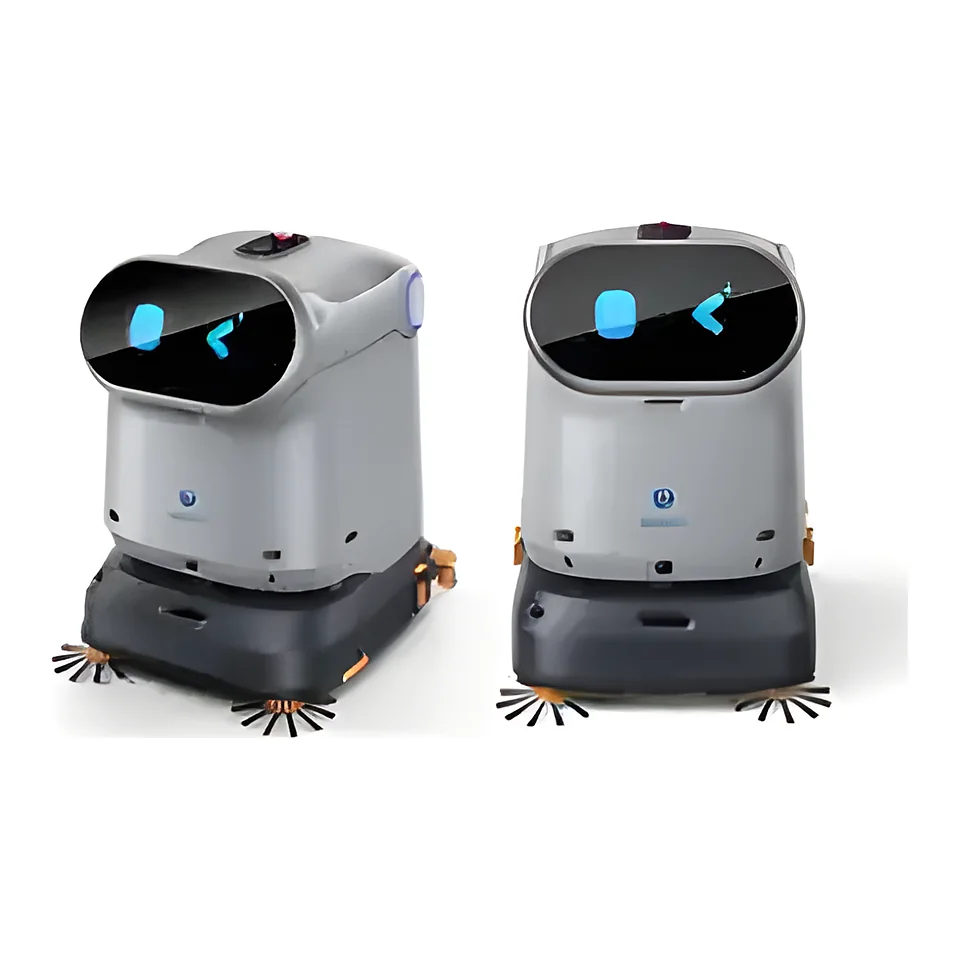
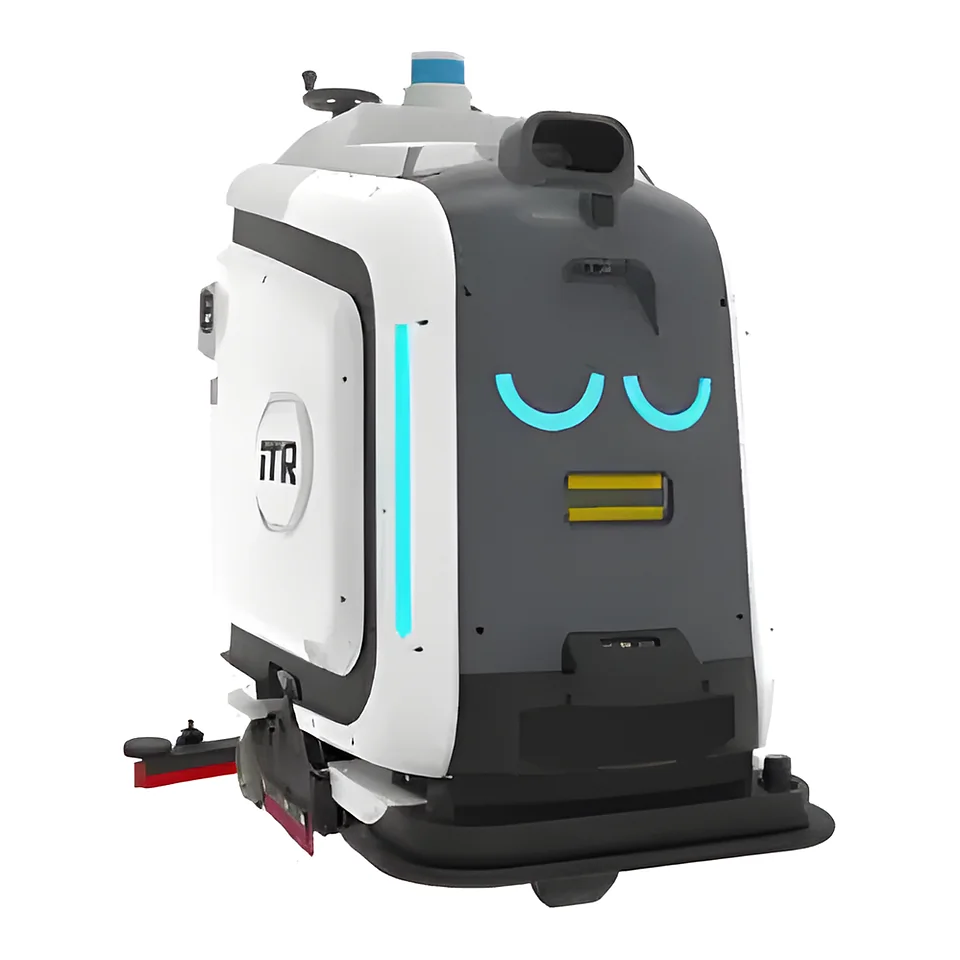
A cleaning robot makes the best use of its autonomy on large surfaces with fixed routines: overnight sweeping of corridors, scrubbing of lobbies or warehouse maintenance. Every pass is logged, with consistent coverage and schedules. Models: Keenon KLEENBOT C40, iTR iScrubbot 300, OrionStar CleaniBot C5.
2. Delivery in restaurants and casinos
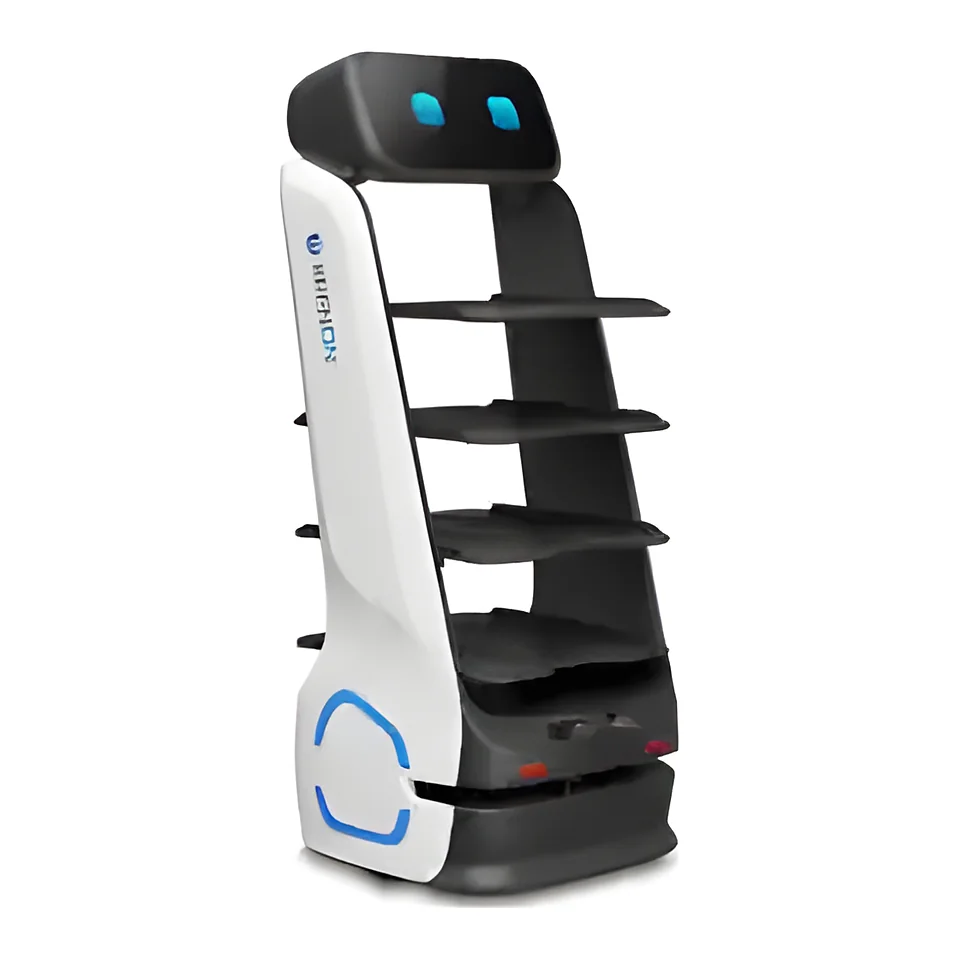
Delivery robots run the route between the kitchen and the tables, or clear the dishes. Service gains speed and consistency at peak hours. Models: Keenon DINERBOT T9 and T10.
3. Guidance and customer service in venues
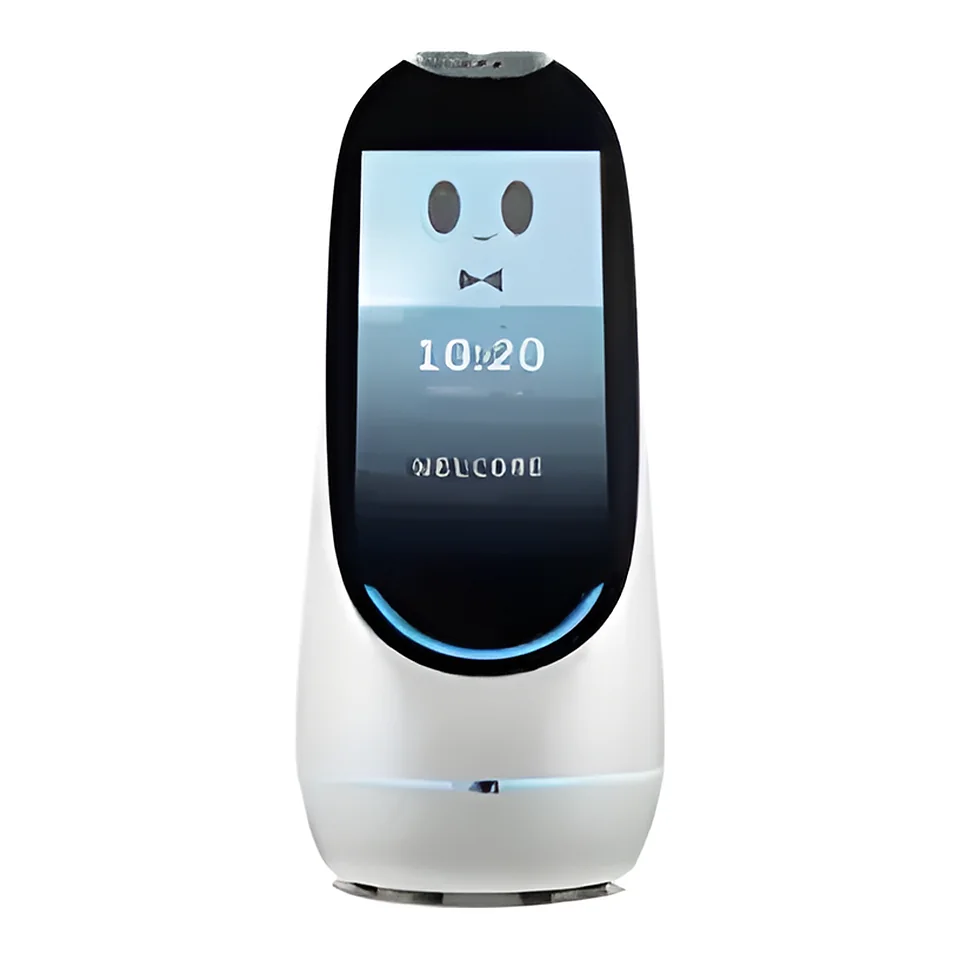
In hotels and corporate buildings, a robot can carry orders to rooms or guide visitors to an office. Models: Yunji SAIL, UBTECH Cruzr.
4. Where they don't perform
- Small or heavily furnished spaces, where the robot spends more time dodging than working.
- Floors with level changes, thick carpets or steps without an elevator.
- Peak congestion hours, if the route is not adjusted.
5. How to measure whether it works
Before the pilot, define three indicators: square meters cleaned or deliveries completed per shift, service times, and customer satisfaction. With that data, the decision to scale is objective.
Frequently asked questions
Which tasks suit a cleaning robot?
Repetitive routes over wide surfaces, with defined routes and schedules and a record of each pass.
What does a restaurant need to use a delivery robot?
Aisles of at least 70 cm, an even floor and an initial mapping of the dining room, which is done during commissioning.