Serving robots: what they solve in a restaurant and what they don't
A serving robot handles the routes between kitchen and tables. When it makes sense, how many tables it covers and what the dining room needs for it to work.
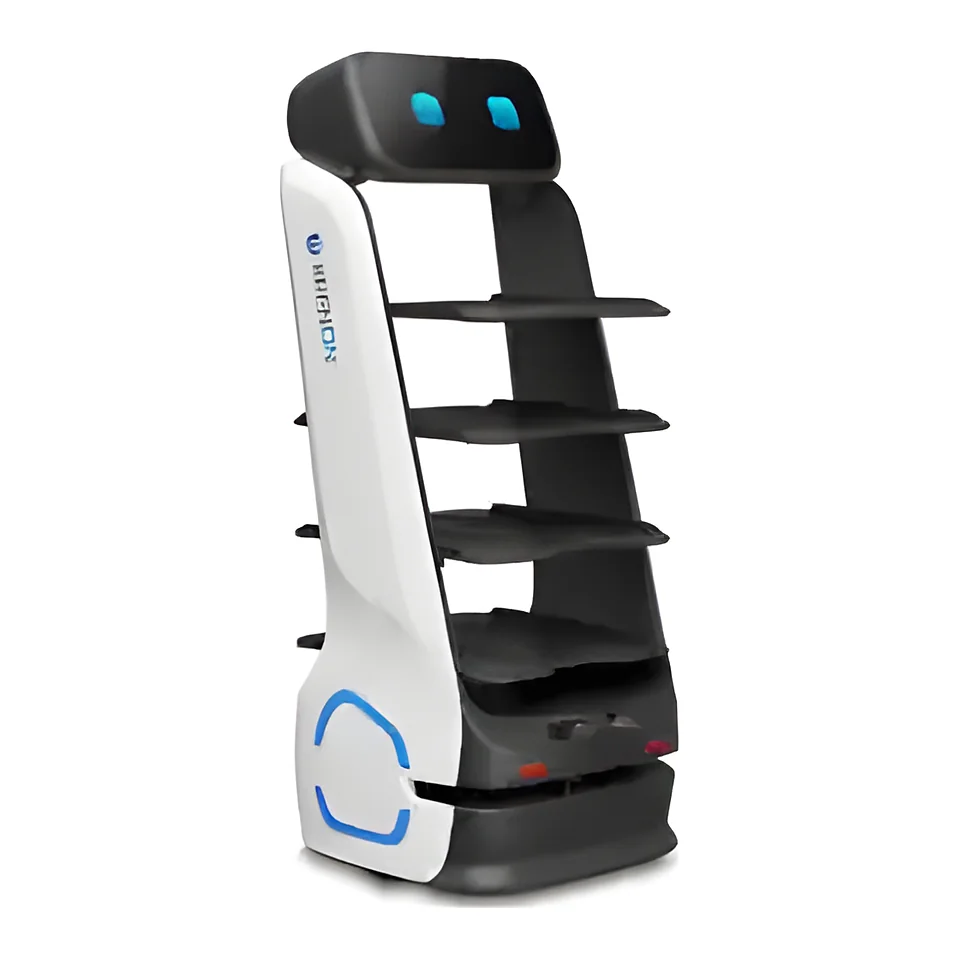
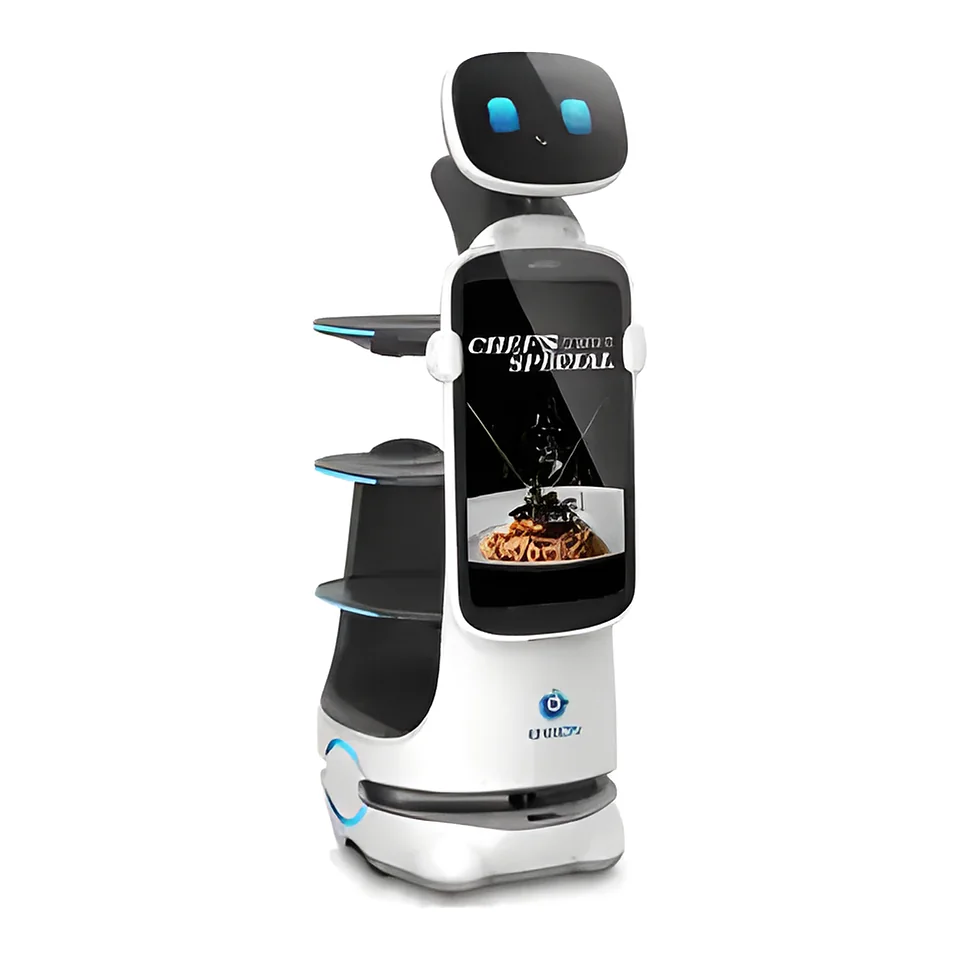
A serving robot carries dishes and drinks from the kitchen to the tables and clears the dishes, with mapped routes and an alert on arrival at each table. It performs best in restaurants with long routes between kitchen and dining room, high volume at peak hours and a level floor. The most widely used models are the Keenon DINERBOT T9 and the T10, which also includes an advertising screen. It doesn't work in very narrow dining rooms, with steps, or with tables that move every day.
1. What a serving robot really does
The robot follows mapped routes between the kitchen and the tables. Staff load the trays, enter the table number, and the robot delivers. On the way back, it can collect dishes. It avoids people and obstacles, and signals with voice and screen when it arrives.
What it does not do is take complex orders, serve at the table or handle complaints. That part remains the core of the in-room experience.
2. Where it performs and where it doesn't
| Performs well | Performs poorly |
|---|---|
| Large dining rooms with long routes from the kitchen | Small venues where the server reaches the table in a few steps |
| High volume at peak hours | Aisles under 70 cm or tables very close together |
| Even floor and a single level | Steps, steep ramps, or thick carpets |
| Cafeterias, food courts, hotels, and event centers | Dining rooms that are rearranged every day |
3. Models for restaurants
| Model | What for |
|---|---|
| Keenon DINERBOT T9 | Delivery in restaurants and cafeterias, multiple trays |
| Keenon DINERBOT T10 | Delivery with a screen for promotions and branding |
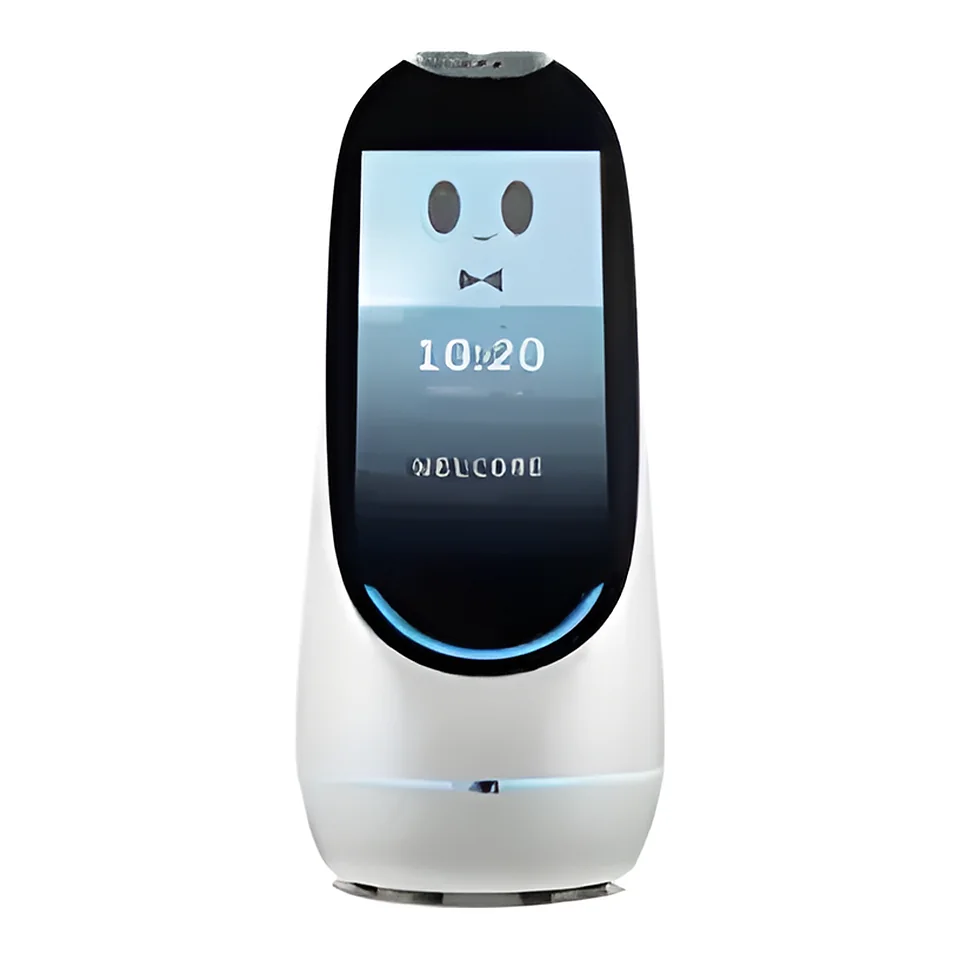
| Yunji SAIL | Deliveries and guidance in hotels and venues |
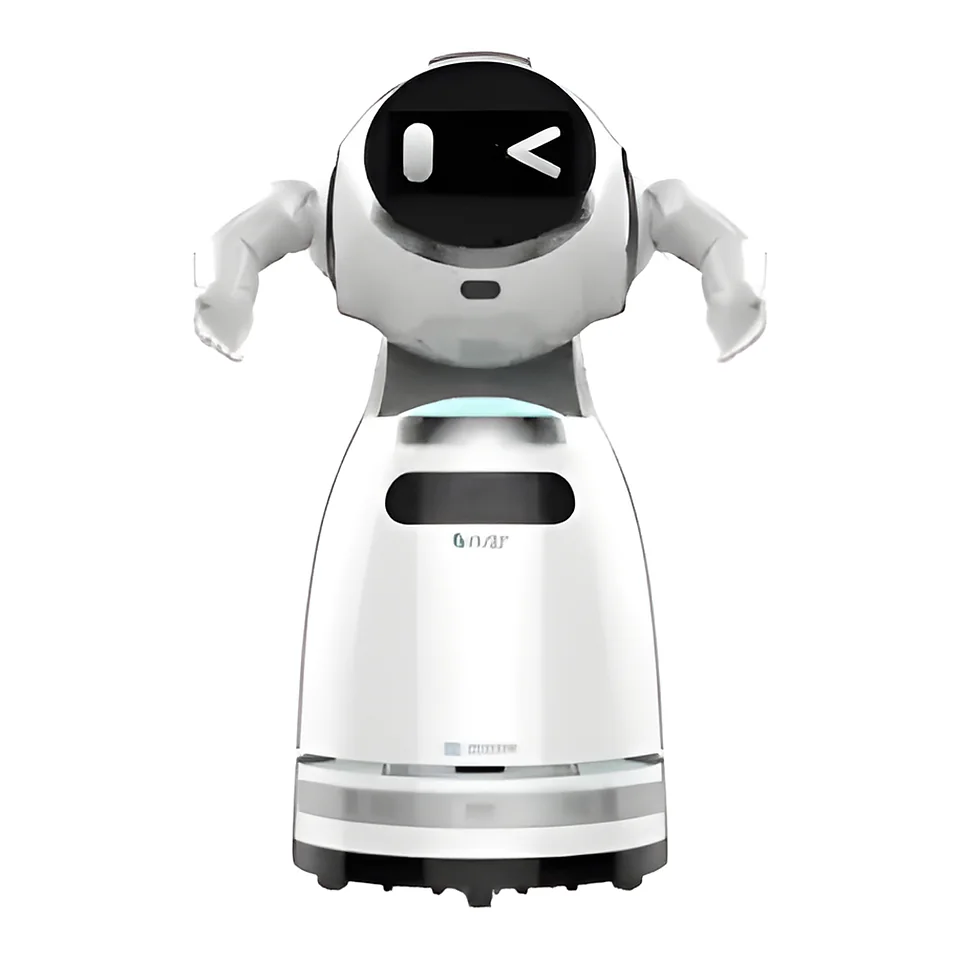
| UBTECH Cruzr | Welcome, service, and promotion at the entrance |
Reference specifications. Exact load capacity and autonomy are confirmed in the quote.
4. How to know if it makes sense
Before requesting a quote, measure three things over one week: how many trips the equipment makes between the kitchen and the dining room at peak hours, how long each trip takes, and how many tables each server covers. If the routes take up a significant part of the service, the robot adds speed and consistency at the table.
5. What you need to plan for
- Initial mapping of the room, done during commissioning.
- Charging points near the kitchen.
- Team training: the robot works when the team builds it into its routine.
- Customer communication: a well-presented robot becomes part of the experience and of social media content.
Frequently asked questions
What tasks does a serving robot handle in the dining room?
Routes between kitchen and tables and clearing dishes, with mapped routes and a voice and screen notice on arrival at each table.
What does a restaurant need to use a serving robot?
Even floor, aisles of at least 70 cm and an initial mapping of the dining room, done during commissioning.
What is the difference between the Keenon T9 and the T10?
Both are delivery robots. The T10 adds a large screen to show promotions or the venue's brand.