How to build a university robotics lab: platforms for teaching and research
Which robots to buy first, how to combine humanoids, quadrupeds and mobile vehicles, and what to ask the manufacturer so the lab delivers value for years.
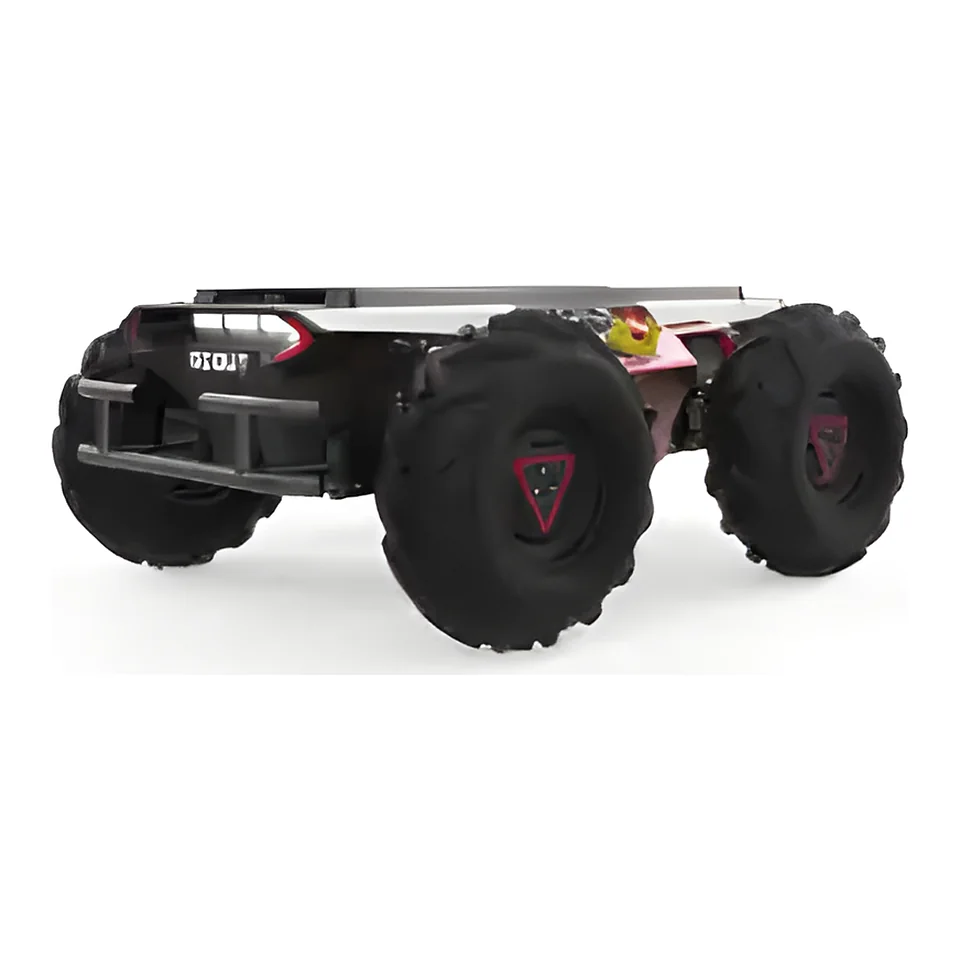
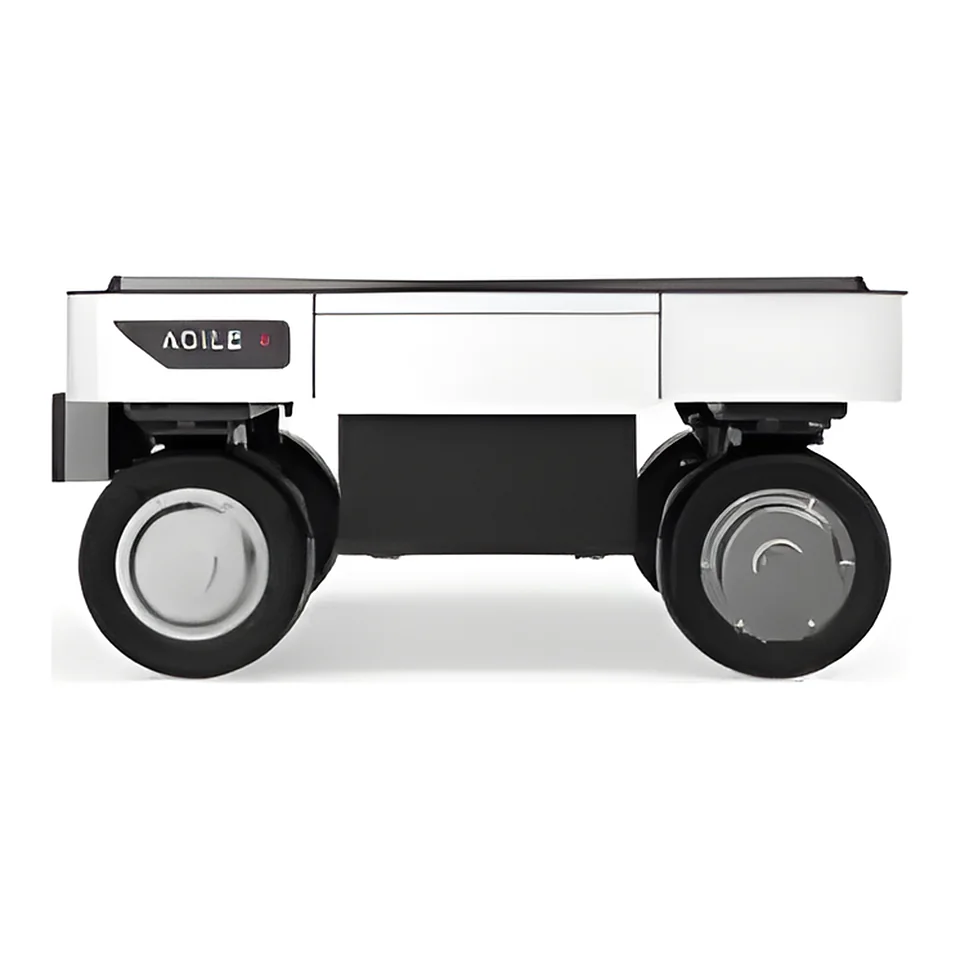
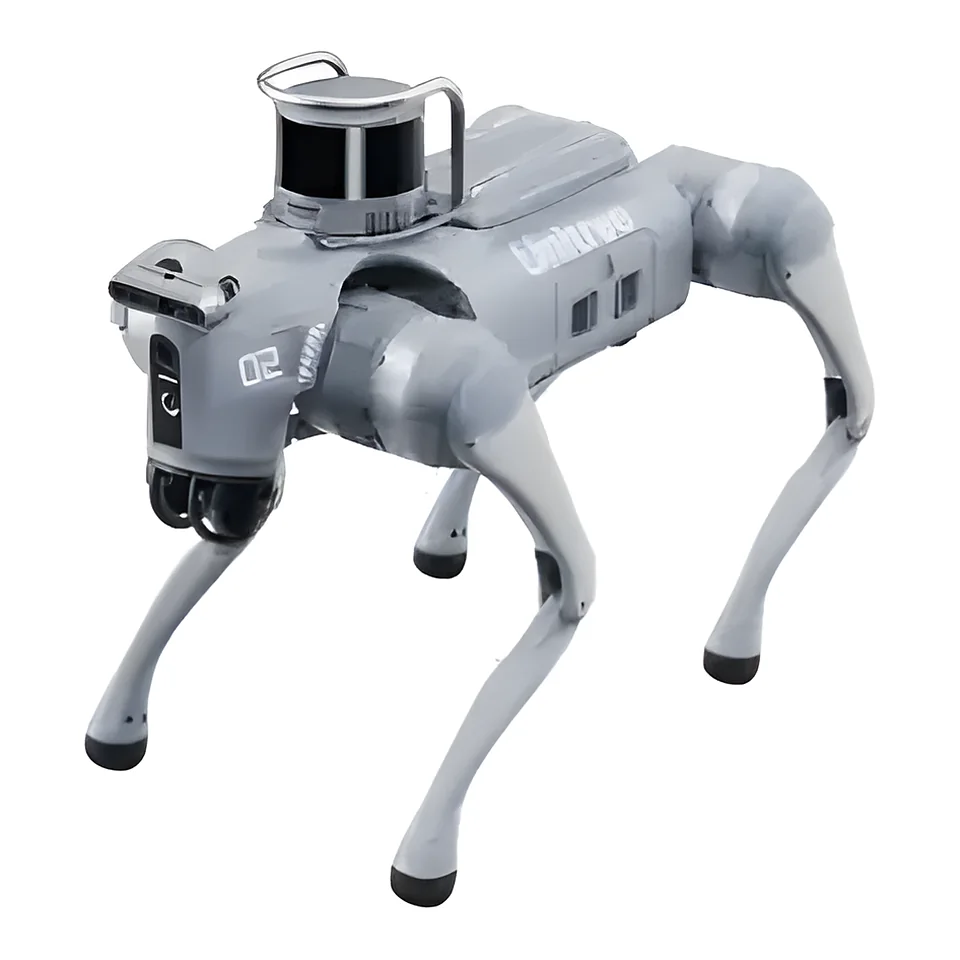
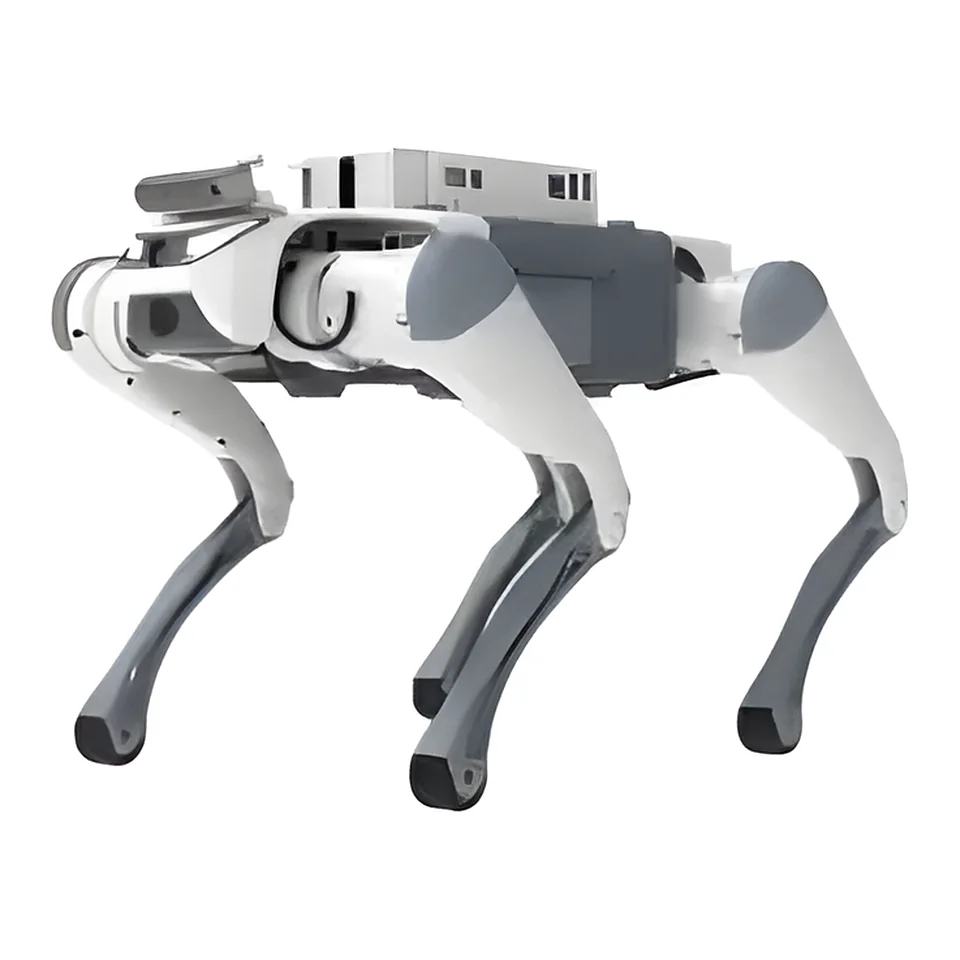
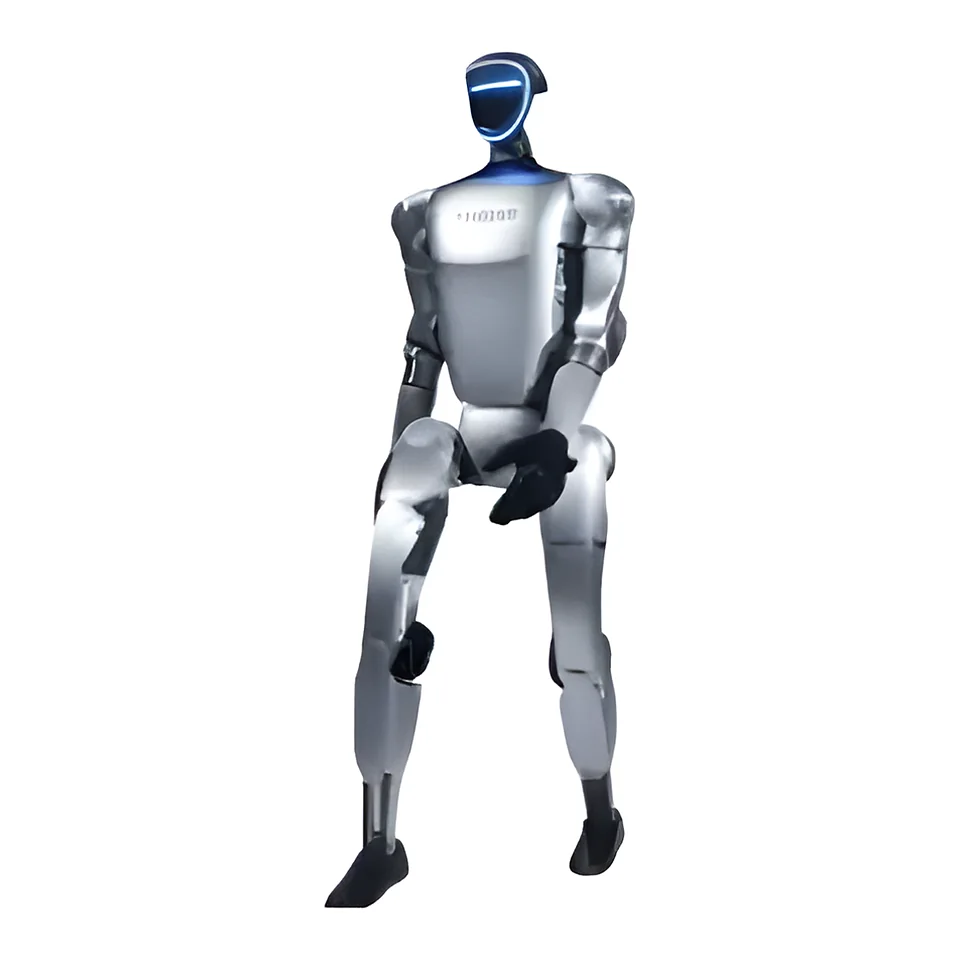
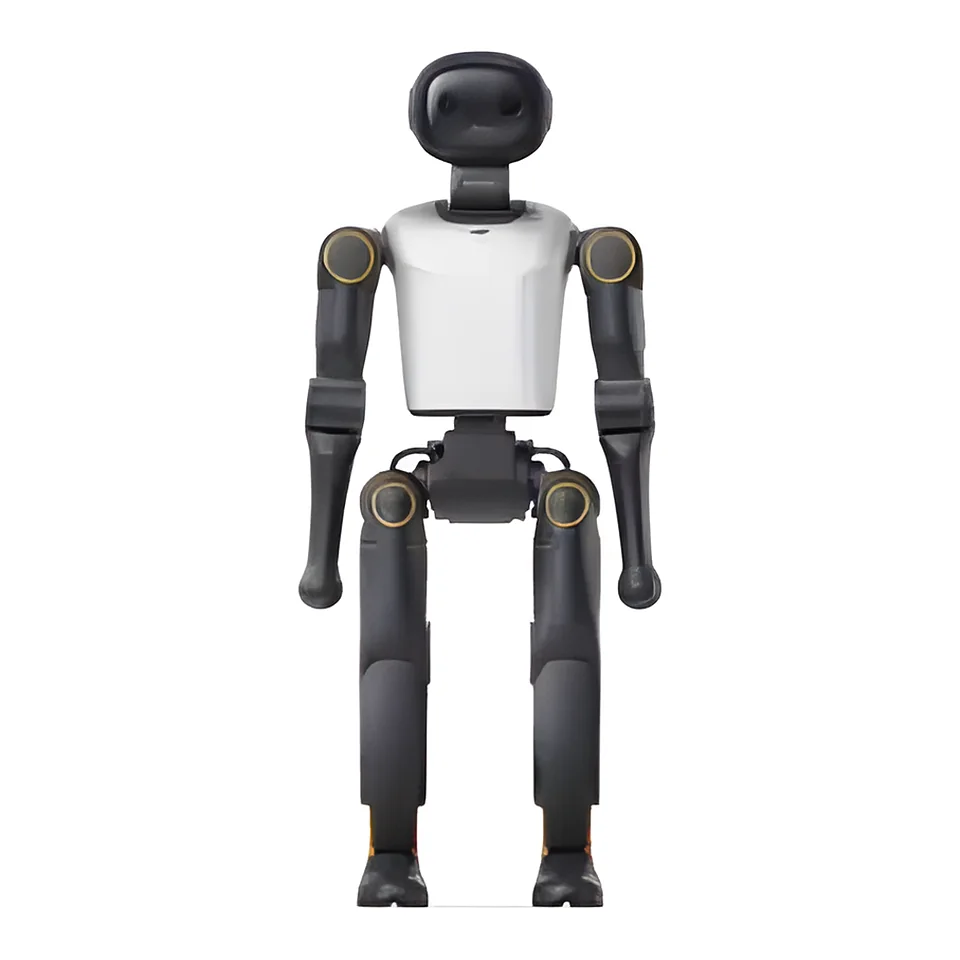
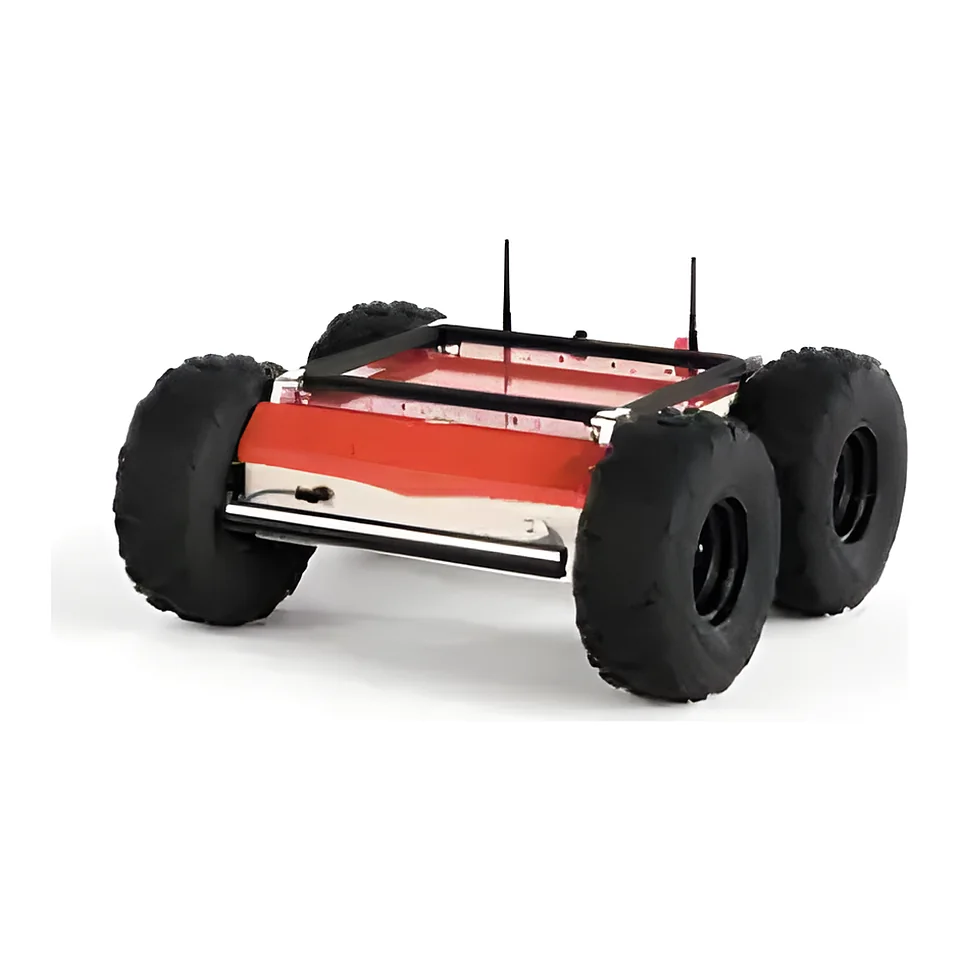
A university robotics lab works better with a few well-chosen open platforms than with many closed units. The usual base combines a ROS 2-compatible mobile vehicle for navigation, such as the AgileX SCOUT or the Ranger Mini, a quadruped in its development version, such as the Unitree Go2 or the Deep Robotics Lite3, and, for advanced research lines, a humanoid such as the Unitree G1 or the Booster T1. The key is to require a development kit, simulation models and spare parts support.
1. Start with the workflows, not the robot
Before choosing equipment, define what will be taught and researched: autonomous navigation, computer vision, locomotion, manipulation, or human-robot interaction. Each line calls for a different platform, and a lab with two or three well-chosen platforms covers most courses and theses.
2. The three base platforms
| Platform | Lines of work | Models at Robusto |
|---|---|---|
| Mobile vehicle (UGV) | Navigation, SLAM, perception, ROS 2 | AgileX SCOUT 2.0, Ranger Mini 3, HUNTER 2.0, Husarion Panther |
| Quadruped | Locomotion, control, reinforcement learning | Unitree Go2 (development version), Deep Robotics Lite3 |
| Humanoid | Bipedal locomotion, interaction, embodied AI | Unitree G1, Booster T1, Booster K1 |
Reference classification. Versions and accessories are confirmed in the quote.
3. What to demand from the manufacturer
- Open software development kit (SDK) with access to sensors and control.
- ROS 2 compatibility, the standard for teaching and research.
- Simulation models (Gazebo, Isaac Sim or MuJoCo), so students can practice without risking the equipment.
- Documentation and community: more users means more code and more reference theses.
- Spare parts and support: in a lab, robots fall; define repair times before buying.
4. A reasonable purchase order
Stage 1: a mobile vehicle compatible with ROS 2 and simulation, for navigation and perception courses. Stage 2: a quadruped in a development version for locomotion and control. Stage 3: a humanoid for research lines and high-impact projects in community engagement and admissions.
5. Financing and public procurement
Many universities fund equipment through competitive grants or research projects, which require formal quotes, technical specifications and defined delivery lead times. A fixed quote, all-inclusive and in the institution's name, simplifies the application and the reporting.
Frequently asked questions
Which mobile robot is best for a university lab?
A ROS 2-compatible vehicle with simulation, such as the AgileX SCOUT 2.0 or the Ranger Mini 3, for navigation and perception courses.
Quadruped or wheeled vehicle to start with?
For navigation and perception, a wheeled vehicle. For locomotion and control, a quadruped in a development version.
Does Robusto provide quotes for competitive grant funds?
Yes. We provide a formal quote with specifications, lead times and a fixed price in the institution's name.