Autonomous scrubbers for warehouses, airports and plants: when they outperform the traditional machine
On large surfaces, an autonomous scrubber works at night, on its own, with a record of every pass. The criteria for deciding whether it makes sense in your operation.
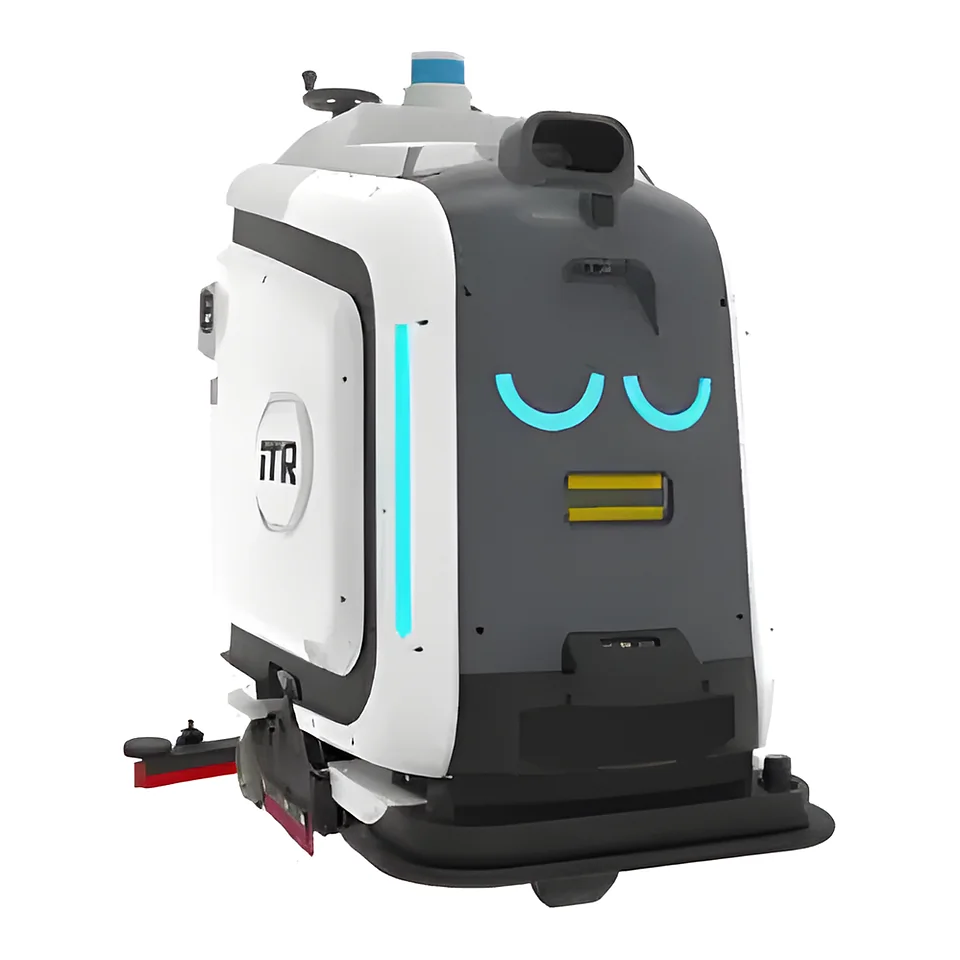
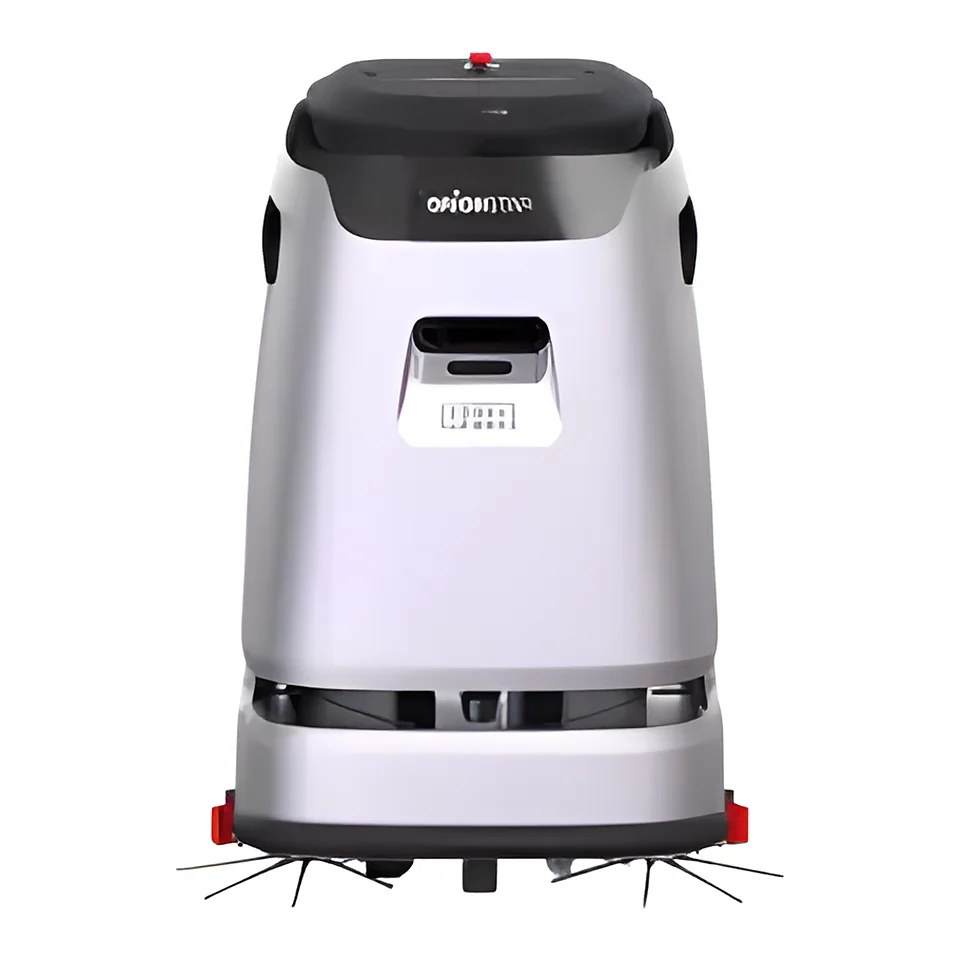
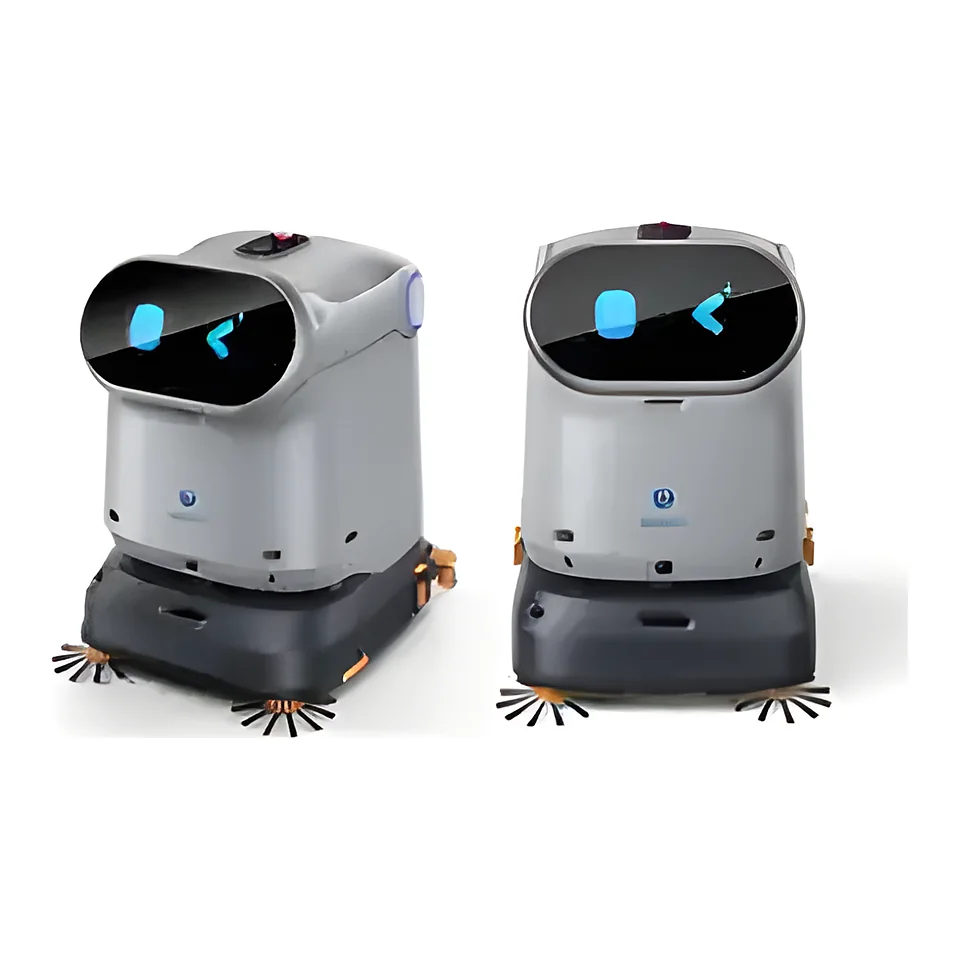
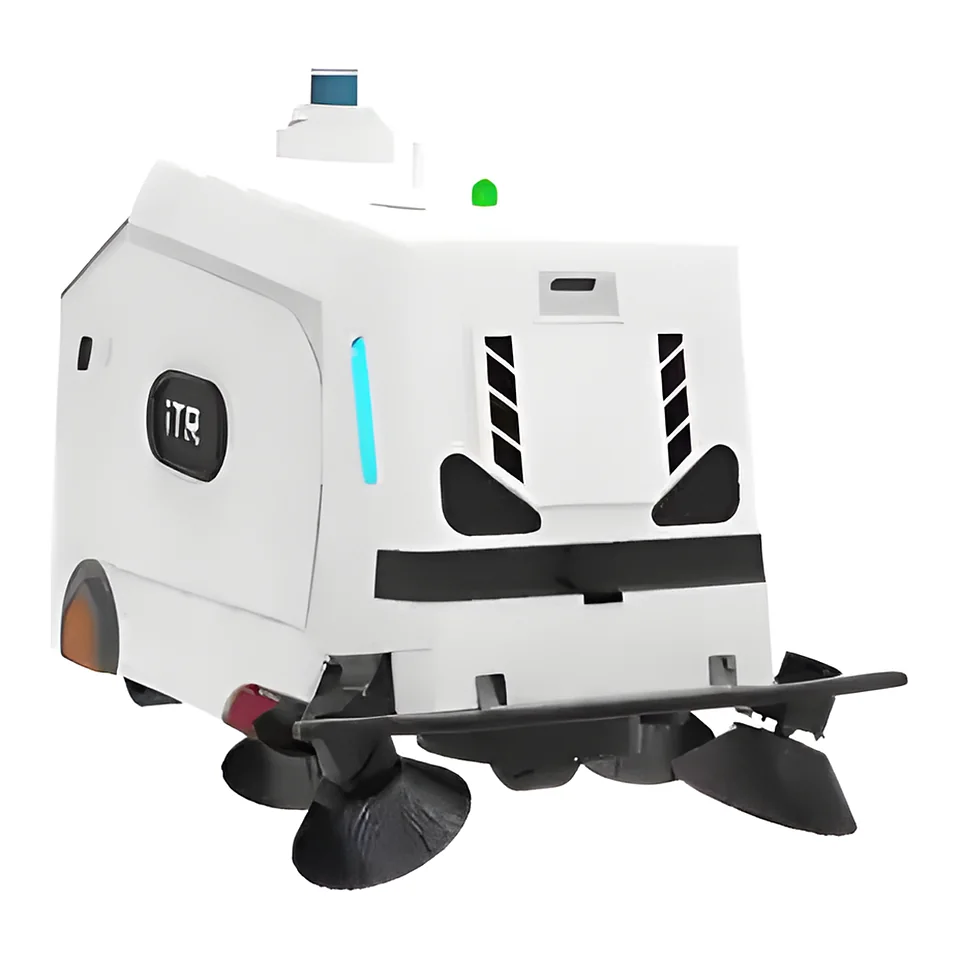
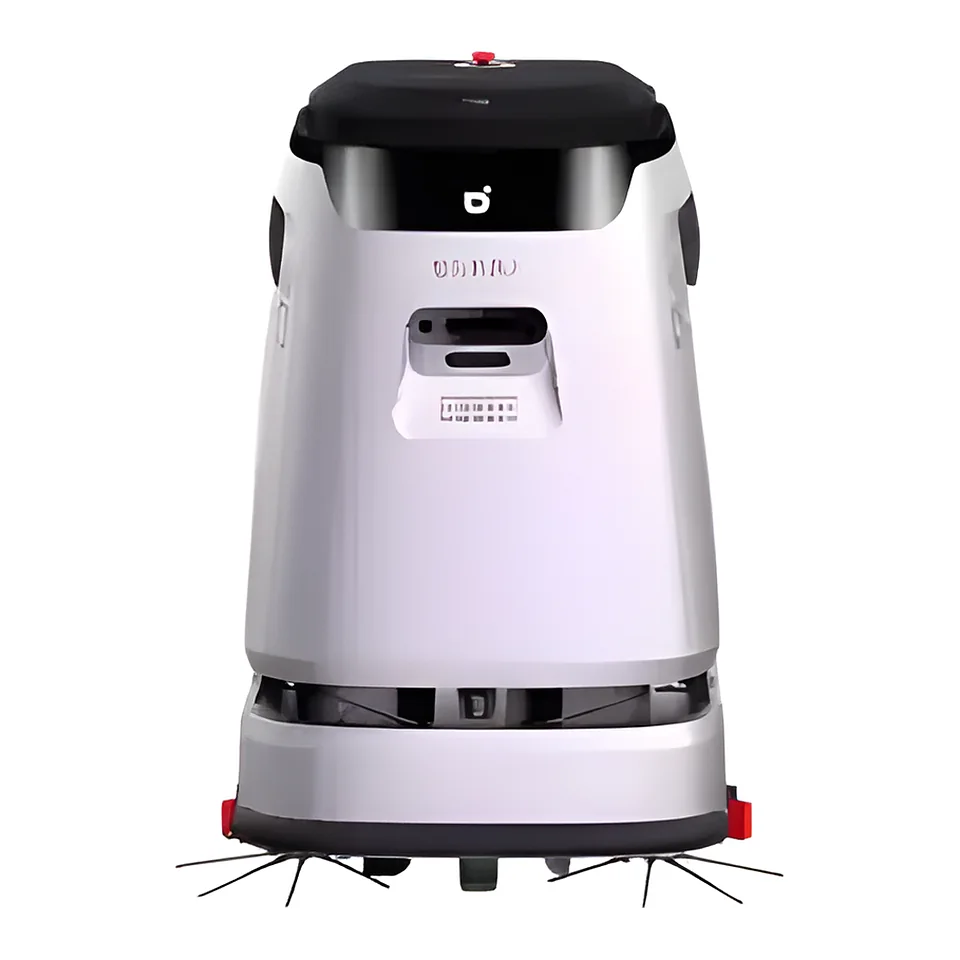
An autonomous floor scrubber cleans large floor areas without an operator, following programmed routes and leaving a log of each shift. It makes sense in warehouses, distribution centers, airports, plants and malls with more than a few thousand square meters and fixed routines. It handles the repetitive passes over large surfaces, with consistent coverage and schedules. The reference models are the iTR iScrubbot 300 and the OrionStar CleaniBot C5 for scrubbing, the Keenon C40 for commercial surfaces and the iTR W2 for outdoor sweeping.
1. Why an autonomous scrubber
On large surfaces, the hard part is sustaining the same cleaning quality every night and on every square meter. An autonomous scrubber makes those passes on its own, on the schedule you set, with the same quality every night and a report of the areas cleaned.
2. When it outperforms the traditional machine
| Criterion | Signs it's a good fit |
|---|---|
| Surface | Several thousand m² of hard, continuous floor |
| Routine | Daily or per-shift cleaning on the same routes |
| Schedule | Overnight or no-audience windows |
| Traceability | You need cleaning evidence for audits or clients |
3. Models by surface type
| Model | Use |
|---|---|
| iTR Robot iScrubbot 300 | Scrubbing of large surfaces: warehouses, plants, airports |
| OrionStar CleaniBot C5 | Autonomous scrubbing of industrial and commercial floors |
| Keenon KLEENBOT C40 | Commercial floor cleaning: malls, offices, hotels |
| AgiBot C5 | Autonomous commercial cleaning |
| iTR Robot W2 | Autonomous sweeping for outdoor areas and parking lots |
Reference specifications. Hourly output, autonomy, and tank capacity are confirmed in the quote.
4. What to evaluate before requesting a quote
- Floor type and soiling: dust, oil, mud or production residue change the model and the accessories.
- Water and draining: where the tanks are filled and emptied. Some operations use automatic stations.
- Obstacles and traffic: forklifts, people and moving pallets require defined zones and schedules.
- Connectivity: cleaning reports and alerts work over Wi-Fi or cellular networks.
5. How to get started
We recommend a pilot in a single zone, with three indicators defined in advance: square meters cleaned per shift, coverage of the programmed route, and the result of the visual inspection. With that data, the decision to scale to the whole operation is objective.
Frequently asked questions
Which tasks suit an autonomous floor scrubber?
Repetitive passes over large surfaces, ideally during low-activity hours, with a report of each route.
Which cleaning robot is suitable for a large warehouse?
A large-area autonomous floor scrubber, such as the iTR iScrubbot 300 or the OrionStar CleaniBot C5, depending on floor type and soiling.
Can it clean with people and cranes moving around?
It detects and avoids obstacles, but it is best scheduled for low-traffic hours or defined zones.