Microduck: what a US$399 robot says about the future of open robotics
Hugging Face launched a robot duck that walks, gets back up on its own and learns new skills through reinforcement learning. Beyond the charm, it marks where robotics' entry point stands today.
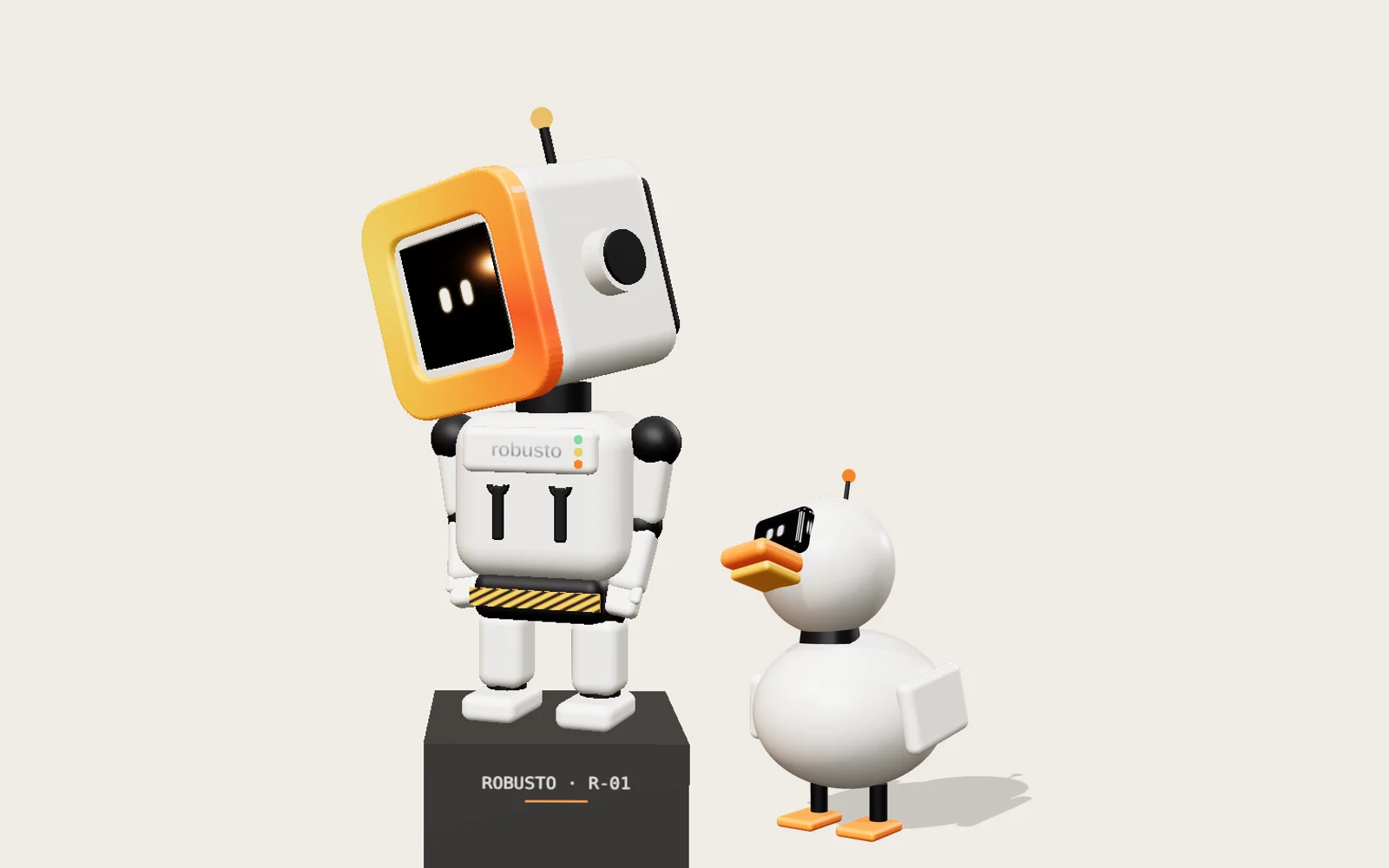
The Microduck is a 25 cm bipedal robot weighing under 800 g, built by Pollen Robotics, Hugging Face's French robotics company. It costs US$399, with first deliveries expected before Christmas 2026. Its software is open: skills are trained in simulation and deployed straight to the robot. For an institution it is not lab equipment, but it is the most affordable way to teach reinforcement learning with a real robot. And it arrives just as NVIDIA agreed to buy Hugging Face, a signal of where the industry is heading.
1. What the Microduck is
- Body: 15 motors, a front camera, a compact depth sensor (lidar) and two motion sensors, one in the body and one in the head.
- Skills: it walks, crouches, gets back up after a fall and picks up small objects of up to about 100 g with its beak.
- Runtime: about one hour, with a swappable camera battery.
- Processor: a Rockchip RK3566 chip.
- Software: the SDK and training tools are published on GitHub. The hardware is not open: the mechanical and electronic design files are not published.
2. Why NVIDIA's move matters
NVIDIA makes the chips that artificial intelligence is trained on. Hugging Face is the leading open repository of models and, since 2025, also builds robots. In September 2026, NVIDIA was reported to have agreed to buy it for about US$12.9 billion, in a deal that has not yet closed.
The reading is clear: whoever controls the open tools for training robots will have an edge in robotics' next stage. There is also a detail worth noting: the Microduck does not run on an NVIDIA chip but on a Chinese-designed one. The robotics supply chain is already global in every part.
3. What changes for a university, a school or an innovation team
Robotics now has three clear entry points:
| Level | Reference equipment | What it is for |
|---|---|---|
| Learn | Microduck (US$399) or Reachy Mini (from US$399) | Introduction to reinforcement learning and simulation, workshops, first courses |
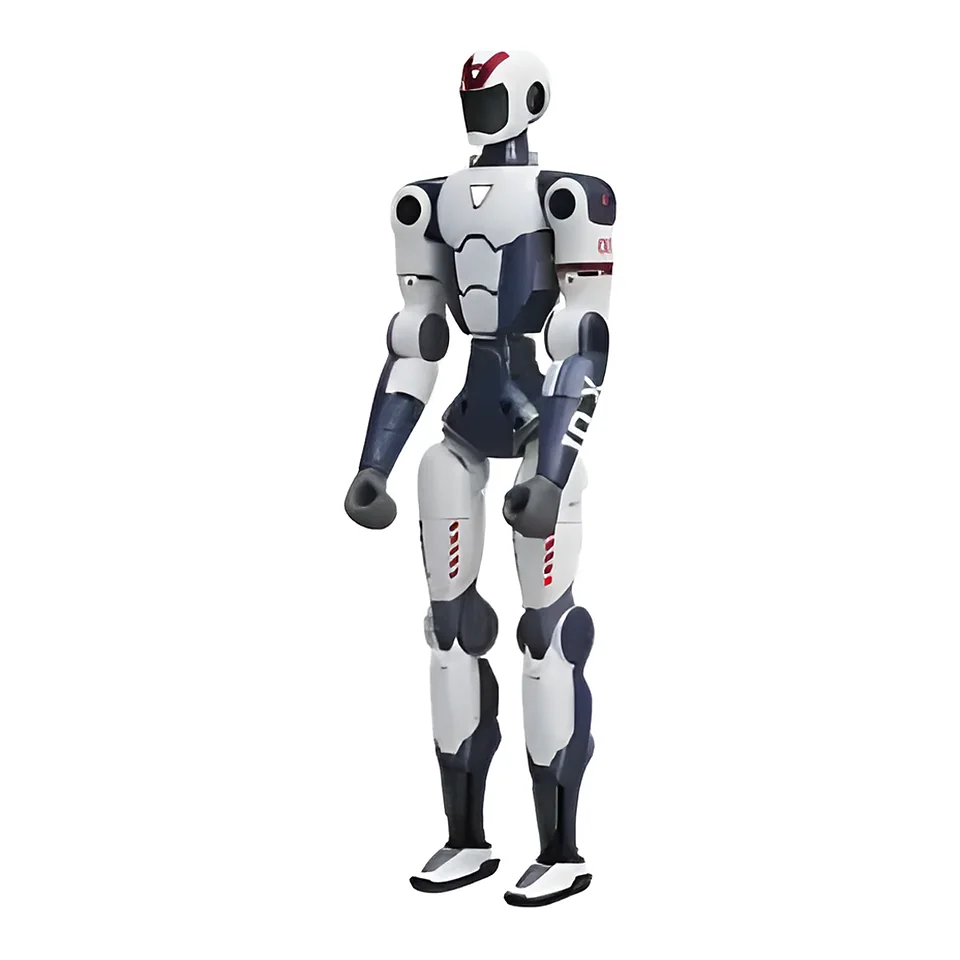
| Teach for real | Unitree R1 (from US$5,900) | Entry-level humanoid for classrooms and fairs, with real locomotion |
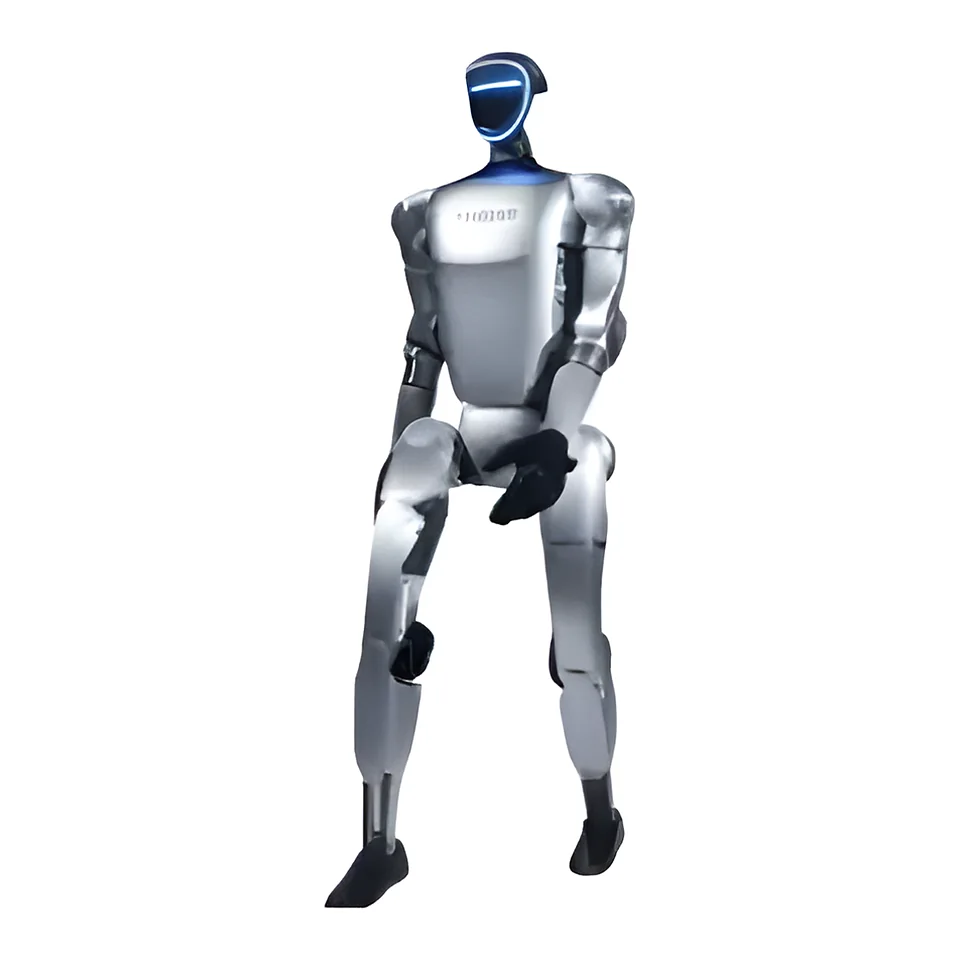
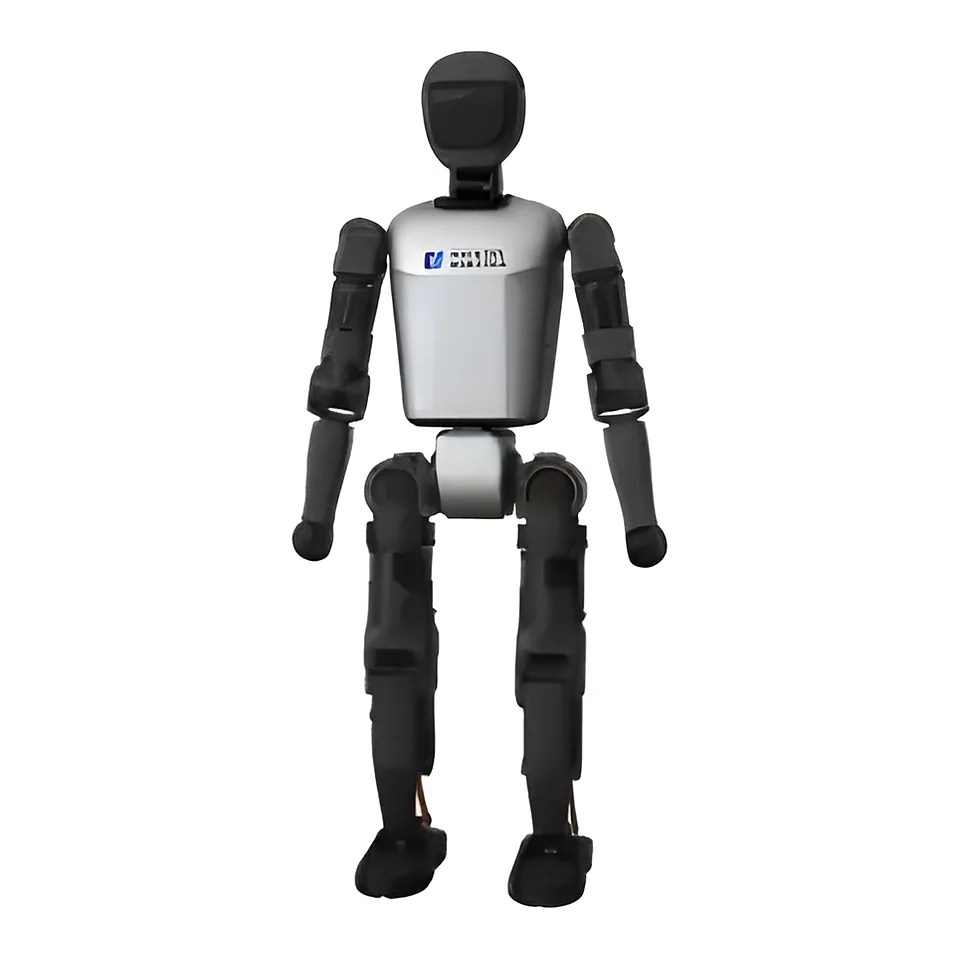
| Research | Unitree G1 EDU, Booster T1 | Labs with a full SDK, manipulation and applied research |
The entry-level price has dropped so far that a whole class can now work with physical robots, not just simulations. For an institution, the question is no longer whether to bring in robotics, but with which mix of equipment. We cover it in How to build a university robotics lab: platforms for teaching and research.
4. Our take
The Microduck is an excellent learning tool and will probably shape how robotics is taught in the coming years. It is not lab or operations equipment: its payload, runtime and closed hardware put it in another category. We recommend it as a complement to a lab, not as its foundation.
The underlying signal matters more than the product: open robotics is becoming accessible, and institutions that build teams today will be better prepared for the next generation of robots.
Sources: TechCrunch · The Next Web · Automate.org · CRN. Illustration: Team Robusto.
Frequently asked questions
Does Robusto sell the Microduck?
No. It is bought directly from Hugging Face. Robusto advises on the lab and research equipment that complements it.
Does it work for a school?
Yes, as an introduction to programming and reinforcement learning. Pollen has not yet published a recommended age.
Does NVIDIA already own Hugging Face?
An agreement was reported in September 2026, but as of this article the deal has not closed.